Understanding Astaxanthin: The Powerful Antioxidant
What is Astaxanthin?
Astaxanthin is a naturally occurring carotenoid pigment that is primarily sourced from marine organisms, such as microalgae, salmon, and shrimp. Renowned for its vibrant red hue, which gives the pink color to flamingos and salmon, astaxanthin is often referred to as the "king of carotenoids." This powerful antioxidant stands out due to its ability to neutralize free radicals and combat oxidative stress within the body, making it a valuable addition to any wellness regimen.
Health Benefits of Astaxanthin
Numerous studies have revealed an extensive range of health benefits associated with astaxanthin consumption. Key advantages include:
- Anti-inflammatory Properties: Astaxanthin has been shown to reduce inflammation, contributing to improved joint health and alleviation of discomfort related to chronic inflammatory conditions.
- Enhanced Eye Health: It protects the eyes from oxidative stress and UV light damage, potentially aiding in the prevention of macular degeneration and other age-related ocular issues.
- Skin Protection: Astaxanthin can improve skin elasticity and hydration while providing a shield against ultraviolet rays, thereby reducing signs of aging.
- Boosted Immune Function: Regular intake can enhance immune responses, helping the body fend off infections and diseases more effectively.
- Improved Cardiovascular Health: Assisting in lowering LDL cholesterol and boosting HDL cholesterol, astaxanthin may promote optimal heart health.
Sources of Astaxanthin
Astaxanthin can be found in various food sources, with the most notable being:
- Microalgae: Specifically, Haematococcus pluvialis is the richest natural source.
- Seafood: Salmon, shrimp, krill, and trout are excellent dietary sources rich in astaxanthin.
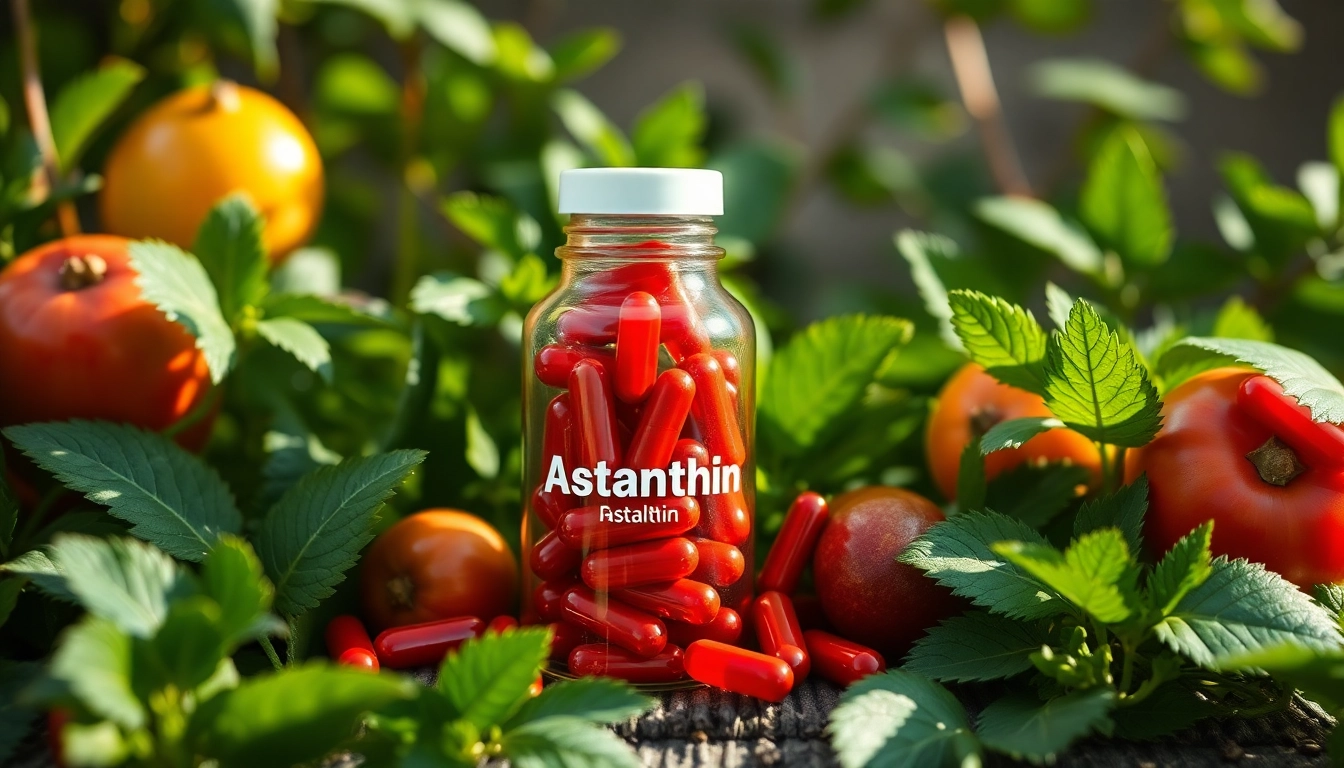
- Supplements: For those not consuming sufficient dietary astaxanthin, supplements are available and can be a practical way to ensure adequate intake. This is where the astaxanthin supplement Canada comes into play.
Why Choose Astaxanthin Supplement Canada
Superior Quality Standards
Canada is renowned for its stringent regulations in the production of health supplements. The quality standards for manufacturing astaxanthin supplements involve rigorous testing, ensuring that each product is safe, potent, and effective. Canadian manufacturers often employ advanced extraction techniques that preserve the integrity of astaxanthin and its bioavailability, allowing consumers to experience maximum health benefits.
Canadian Manufacturing Practices
With a commitment to high standards of purity and safety, Canadian manufacturing practices often involve non-GMO sources, and environmentally-friendly methods. The use of sustainable practices is integral to the production process, aimed at minimizing environmental impact and ensuring a dependable supply of astaxanthin.
Environmental Considerations in Sourcing
The sustainability of sourcing astaxanthin is crucial. Ethical harvesting of microalgae and sustainable seafood practices contribute to maintaining ecological balance. In Canada, there is a growing focus on utilizing renewable resources, which helps in preserving marine ecosystems while providing a high-quality source of astaxanthin.
How to Incorporate Astaxanthin Supplements Into Your Routine
Recommended Dosage and Usage
To reap the health benefits of astaxanthin, it’s essential to follow recommended dosage guidelines. Most studies suggest a daily intake of 4 to 12 mg for general health benefits. It’s advisable to consult with a healthcare provider to determine the right dosage based on individual health needs and conditions.
Pairing with Other Health Supplements
Astaxanthin is often used in conjunction with other health supplements to enhance overall wellness. Combining it with omega-3 fatty acids, such as those found in fish oil, can amplify anti-inflammatory effects. Similarly, taking astaxanthin with vitamin E can improve antioxidant capacity within the body.
Dietary Integration Tips
Incorporating astaxanthin-rich foods into a balanced diet can complement supplement intake. Incorporate more salmon, trout, and algae-based dishes to increase natural astaxanthin levels in the body. Smoothies with spirulina or a salad topped with shrimp can serve as delicious ways to enjoy the benefits.
Potential Side Effects and Safety Guidelines
Common Side Effects of Astaxanthin
While generally considered safe, astaxanthin can cause mild side effects in some individuals. These may include skin discoloration (orange tint), digestive issues like diarrhea, or stomach cramps. It's important to monitor how your body reacts to astaxanthin, especially if you are new to supplementation.
Who Should Avoid Astaxanthin?
Individuals with specific health conditions or allergies related to seafood should exercise caution. Pregnant or breastfeeding women should also consult with their healthcare provider before starting any new supplement regimen. Those on medications that affect blood clotting should be particularly careful, as astaxanthin can impact these processes.
Consulting Healthcare Professionals
Before beginning any supplement, including astaxanthin, it’s wise to discuss its use with a healthcare professional. They can provide personalized advice based on your medical history and current health conditions, ensuring safety and efficacy in your supplementation approach.
FAQs About Astaxanthin Supplement Canada
Is astaxanthin safe for everyone?
Astaxanthin is generally safe for most people. However, individuals with seafood allergies or specific health conditions should consult a healthcare professional before use.
How long does it take to see benefits?
Many users report health benefits from astaxanthin within 2-4 weeks of regular supplementation, though it can vary based on individual health factors.
Can astaxanthin be taken with other medications?
Astaxanthin may interact with certain medications, particularly blood thinners. It's crucial to consult a healthcare professional before combining it with other medications.
What makes Canadian astaxanthin supplements unique?
Canadian astaxanthin supplements are known for their high quality, purity, and adherence to eco-friendly practices, setting a high standard in the supplement industry.
Are there any dietary sources of astaxanthin?
Yes, astaxanthin is naturally found in foods such as salmon, krill, shrimp, and microalgae, making it accessible through diet alongside supplementation.