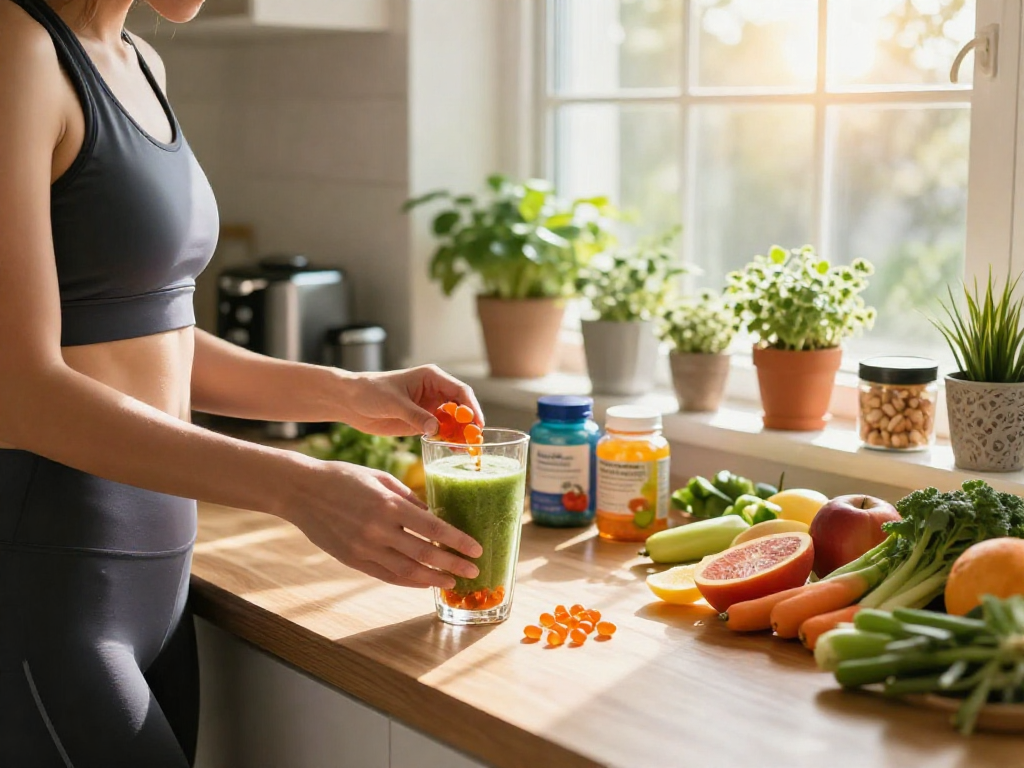
Understanding Astaxanthin and Its Benefits
Astaxanthin is a powerful carotenoid antioxidant that has been gaining popularity due to its numerous health benefits. Found naturally in microalgae, shrimp, crab, and various fish, astaxanthin is responsible for the pink hue in these organisms. As a dietary supplement, particularly in the form of astaxanthin softgels, it offers a multitude of benefits that can enhance overall well-being. Its unique chemical structure allows it to deliver antioxidant properties more effectively than many other compounds, protecting the body from oxidative stress and inflammation.
What is Astaxanthin?
Astaxanthin is a carotenoid, a class of phytochemicals widely known for their pigment and health-promoting properties. Unlike many other antioxidants, astaxanthin is prized for its strong ability to protect lipids, proteins, and DNA from oxidative damage. This makes it particularly beneficial in reducing inflammation and promoting heart health. The primary source of astaxanthin is the microalga Haematococcus pluvialis, which accumulates this potent antioxidant when stressed, giving it a deep red color.
Health Benefits of Astaxanthin Softgels
Taking astaxanthin in softgel form can enhance its bioavailability, ensuring that the body absorbs it more efficiently. Some of the notable health benefits of astaxanthin include:
- Enhanced Skin Health: Astaxanthin is known to improve skin elasticity, reduce signs of aging, and protect the skin from UV damage.
- Improved Eye Health: It can help reduce eye fatigue and improve visual acuity, thanks to its ability to protect eye tissues from oxidative stress.
- Exercise Performance: Athletes may benefit from astaxanthin as it can enhance endurance and recovery, reducing muscle soreness after workouts.
- Cardiovascular Support: Astaxanthin has been shown to benefit cardiovascular health by lowering blood pressure and improving lipid profiles.
Comparing Astaxanthin with Other Antioxidants
While many know of antioxidants such as vitamin C, vitamin E, and beta-carotene, astaxanthin stands out due to its superior potency. Studies show that it is up to 6000 times stronger than vitamin C and has unique properties that allow it to cross the blood-brain barrier, providing neuroprotective benefits. Unlike other antioxidants that can become pro-oxidants when in excess, astaxanthin maintains its stabilizing effects and provides consistent protective benefits.
How Astaxanthin Softgels Work in the Body
Mechanism of Action: How Antioxidants Function
Astaxanthin works by neutralizing free radicals—unstable molecules that can cause cellular damage. This process is crucial in mitigating oxidative stress, which is linked to various chronic diseases such as cancer, diabetes, and neurodegenerative conditions. By scavenging these free radicals, astaxanthin helps preserve cellular integrity and function.
Potential Health Improvements with Regular Use
Regular consumption of astaxanthin softgels can lead to significant health improvements, such as:
- Reduced Inflammation: Chronic inflammation is a root cause of many diseases. Astaxanthin's anti-inflammatory properties can help alleviate symptoms of conditions like arthritis.
- Enhanced Immune Response: This antioxidant can boost immune function, making the body more resilient against infections.
- Neuroprotective Benefits: By reducing oxidative stress in the brain, astaxanthin may help in lowering the risk of neurodegenerative diseases such as Alzheimer’s.
Common Misconceptions about Astaxanthin
A common misconception is that all antioxidants are the same. While they all aim to combat oxidative stress, their effectiveness and mechanisms can differ significantly. Moreover, the idea that one can achieve adequate astaxanthin levels solely through diet is misleading; supplementation through softgels can provide a more reliable source.
Choosing the Right Astaxanthin Softgels
Criteria for Selecting High-Quality Softgels
When choosing astaxanthin softgels, consider the following criteria:
- Source: High-quality astaxanthin should be derived from Haematococcus pluvialis algae.
- Purity: Look for products that are free from fillers, additives, and synthetic ingredients.
- Third-Party Testing: Products should be tested by independent labs to ensure potency and safety.
Dosage Recommendations for Optimal Results
The typical dosage of astaxanthin ranges from 4 to 12 mg per day, based on individual health goals and needs. It's best to consult with a healthcare professional to determine the appropriate dosage for your circumstances.
Exploring Different Brands and Formulations
The market offers various brands and formulations of astaxanthin softgels. When exploring options, focus on reputable brands known for transparency and quality assurance practices. Reviews and nutritional labels can provide insights into the product's effectiveness.
Incorporating Astaxanthin Softgels into Your Wellness Routine
Best Practices for Daily Supplementation
For most individuals, incorporating astaxanthin softgels into a daily routine can be straightforward. Taking the softgels with a meal can enhance absorption due to astaxanthin’s fat-soluble nature. Maintaining a consistent schedule helps in achieving sustained benefits.
Pairing with Nutrition for Enhanced Wellness
To maximize the health benefits of astaxanthin, combine supplementation with a balanced diet rich in fruits, vegetables, and healthy fats. Foods like avocados, olive oil, and fish can complement the effects of astaxanthin, enhancing overall antioxidant capacity.
Tracking Health Progress and Outcomes
Monitoring changes in health after starting astaxanthin supplementation can help gauge effectiveness. Consider keeping a journal to note improvements in skin health, energy levels, and exercise recovery. Regular check-ins with a healthcare provider can also provide valuable insight.
Future Trends in Astaxanthin Research and Usage
Emerging Studies on Astaxanthin Benefits
As research continues, new findings are shedding light on the potential of astaxanthin in various health domains, including its role in metabolic processes and mental health improvements. Ongoing studies may unveil even more benefits and applications, solidifying astaxanthin's role in modern wellness.
Predictions for Astaxanthin in Nutrition by 2026
By 2026, it is anticipated that astaxanthin will see increased integration into daily nutritional supplements, especially as interest in natural health products grows. More consumers are looking for effective, plant-based alternatives that offer substantial health benefits.
Innovations in Supplement Formulations and Delivery
Advancements in technology may lead to innovative formulations of astaxanthin that enhance bioavailability. Such innovations include nano-encapsulation techniques that allow for better absorption and efficacy of astaxanthin supplements.
What are the side effects of astaxanthin softgels?
Astaxanthin is generally considered safe for most individuals when taken in recommended doses. However, some may experience mild side effects such as stomach upset or changes in skin coloration. It is essential to consult with a healthcare provider before starting any new supplement.
Can astaxanthin improve skin health?
Yes, numerous studies indicate that astaxanthin can significantly improve skin health by enhancing elasticity, hydration, and overall appearance. It also helps to reduce UV damage, making it a valuable addition to a skincare routine.
How do I know if I am taking enough astaxanthin?
Monitoring changes in your health and well-being can provide insights into whether your astaxanthin dosage is adequate. Additionally, blood tests can help determine levels of antioxidants in your system, guiding dosage adjustments.
Are there any food sources of astaxanthin?
Yes, astaxanthin can be found in seafood such as salmon, trout, shrimp, and crab, along with certain algae. However, achieving therapeutic doses through diet alone can be challenging, which is why supplementation is often recommended.
What is the best time to take astaxanthin softgels?
The best time to take astaxanthin softgels is with a meal that contains fat, as this helps improve absorption. Many prefer taking them in the morning or during lunch to maintain consistent levels throughout the day.