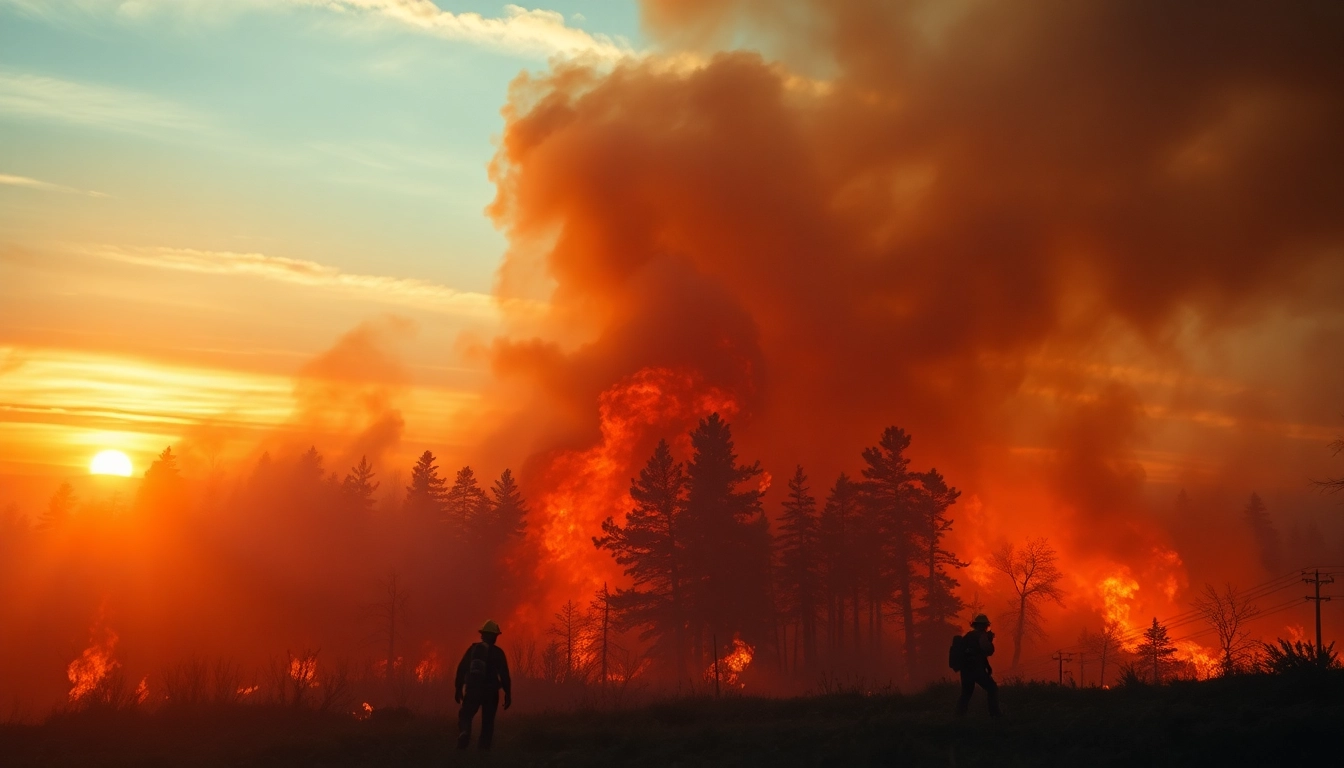
The Nature of Wildfire Events
Understanding Wildfire events is crucial for comprehending their implications on the environment, human safety, and resource management. Wildfires are naturally occurring phenomena, yet, fueled by various human activities and changing climate conditions, their frequency and severity have escalated dramatically in recent years. To appreciate these impacts, we must delve into what constitutes a wildfire event, its causes, types, and behavior.
What Constitutes a Wildfire Event?
A wildfire event can be defined as an uncontrolled fire that occurs in wildland areas, consuming vegetation and other organic materials. These fires can vary in scale from small flames that burn underbrush to massive conflagrations that engulf entire forests. They typically occur in regions characterized by dry vegetation and are influenced by environmental conditions such as temperature, humidity, and wind. Understanding the classification of these events aids in prompt response and management strategies.
Causes and Types of Wildfire Events
Wildfire events can arise from various sources, broadly classified into natural and human-induced causes. Natural causes primarily include lightning strikes, spontaneous combustion, and volcanic activity. Conversely, human activities are often responsible for a significant portion of wildfires, including:
- Arson: Deliberate actions taken by individuals to set fires can lead to devastating results.
- Campsites: Unattended campfires and improper disposal of cigarettes can ignite surrounding vegetation.
- Equipment Use: Sparks from machinery or utility lines falling can trigger wildfires.
- Burning Debris: Controlled burns that get out of hand can escalate into full-blown wildfires.
The classification of wildfires can be further categorized based on their intensity and difficulty to control, which includes:
- Ground Fires: Fires that burn at the soil level, affecting roots and soil organisms.
- Surface Fires: These fires blaze on the forest floor, consuming ground cover.
- Crown Fires: These are intense fires that spread through the tree canopies.
Understanding Wildfire Behavior
Wildfire behavior is influenced by several key factors, including climate conditions, topography, and fuel types. The interaction of these factors can dramatically alter the fire's path and intensity, making it essential to understand their dynamics. Important aspects include:
- Fuel Load: The amount and type of vegetation available to burn significantly influence fire spread.
- Weather Conditions: High temperatures, low humidity, and strong winds can exacerbate fire activity and spread.
- Topography: Fires move faster uphill and slow down on flat terrain, highlighting the importance of landscape in fire behaviors.
The Environmental Impact of Wildfire Events
Wildfire events not only pose immediate threats to human lives and property but also have profound ecological consequences. The impacts can be both short-term and long-term, affecting biodiversity, soil health, and carbon sequestration.
Short-term Effects on Ecosystems
In the immediate aftermath of a wildfire event, ecosystems can undergo significant alterations. The destruction of flora and fauna leads to:
- Loss of Habitat: Wildlife may lose shelter and food sources, leading to decreased populations.
- Soil Erosion: The lack of vegetation increases vulnerability to soil degradation and erosion due to wind and water runoff.
- Air Quality Impact: Smoke from wildfires can adversely affect air quality, leading to health risks for both humans and animals.
Long-term Ecological Consequences
The long-term effects of wildfire events can have far-reaching implications for ecological stability. These include:
- Biodiversity Loss: Species may decline or become extinct due to altered ecosystems and habitat destruction.
- Nutrient Cycling Disruption: Fires can change the nutrient composition of soil, impacting future vegetation growth.
- Altered Water Systems: The danger of reduced water quality and changes in hydrology can persist long after the fire has been extinguished.
Wildfire Events and Climate Change
Climate change is a driving force behind the frequency and severity of wildfire events. As average temperatures rise and precipitation patterns shift, the conditions favorable for wildfires have become more prevalent. Notable relations include:
- Extended Fire Seasons: Climate change has resulted in longer seasons for wildfire activity, increasing the risk of ignition.
- Higher Intensity Fires: Changing climate conditions lead to drier landscapes, significantly enhancing fire intensity.
- Feedback Loop: Wildfires contribute to carbon emissions, further accelerating global warming and creating a cyclic effect on climate change.
Safety Measures During Wildfire Events
As the risks associated with wildfire events continue to rise, it is vital for individuals and communities to adopt effective safety measures. Preparation and response can save lives and property.
Preparedness Strategies for Individuals
Individuals residing in wildfire-prone areas should prioritize preparedness efforts, including:
- Creating an Emergency Plan: Outline evacuation routes and establish communication plans with family members.
- Preparing a Go-Bag: Include essential items such as medications, important documents, and a supply of water and food.
- Maintaining Defensible Space: Clear vegetation and debris around homes to reduce fire risks.
Community Response Plans
On a community level, developing coordinated response plans ensures a unified approach to wildfire emergencies. Effective plans ought to:
- Incorporate Training: Ensure local emergency responders receive regular training on wildfire management.
- Conduct Drills: Organize community drills to practice evacuation and emergency response during wildfire scenarios.
- Engage Local Citizens: Promote awareness campaigns about fire safety practices within communities.
Emergency Services and Their Role
Emergency services play a pivotal role in the detection, response, and management of wildfire events. Key responsibilities include:
- Monitoring Fire Activity: Utilizing technology and lookout personnel to track fire development in real-time.
- Fire Suppression: Deploying firefighting crews and equipment to manage and contain wildfire spread.
- Community Support: Providing resources and relief to affected populations through shelters and recovery programs.
Mitigation and Management of Wildfire Events
Effective mitigation and management strategies are essential for reducing the impact of wildfire events on communities and ecosystems. Policies and practices focus on limiting their occurrence and severity through proactive measures.
Effective Land Management Practices
Proper land management is crucial in minimizing the risks of wildfires. Essential practices include:
- Controlled Burns: Strategic prescribed burns can help reduce excess fuel loads in wildfire-prone areas.
- Thinning Vegetation: Selectively removing trees and vegetation can create buffer zones that inhibit fire spread.
- Sustainable Forestry Techniques: Integrating sustainable practices reduces fire risks and promotes forest health.
Firefighting Techniques and Technologies
Modern firefighting employs various techniques and technologies to enhance the effectiveness of wildfire management:
- Aerial Support: Air tankers and helicopters deliver water and fire retardants to hard-to-reach areas.
- Firebreak Construction: Creating barriers devoid of vegetation to obstruct fire movement.
- Real-time Data Monitoring: Utilizing satellite imagery and drones to assess fire behavior and spread.
Public Policies on Wildfire Management
Robust public policies play an important role in addressing wildfire risks. These may include:
- Funding for Fire Services: Ensuring adequate resources are allocated for wildfire prevention and response.
- Community Education Programs: Promoting awareness of fire hazards and safety practices to the public.
- Land Use Planning: Developing zoning regulations that monitor land development in fire-prone areas.
Future Trends in Wildfire Events
As climate change progresses and urban development continues, future trends in wildfire events will likely evolve. Understanding these changes will help refine response strategies and improve community resilience.
Research and Development in Fire Management
Investment in research focused on wildfire dynamics will contribute greatly to developing effective management strategies. Areas of study include:
- Fire Behavior Models: Enhancing models will improve predictions of wildfire behavior under various conditions.
- Climate Adaptation Strategies: Identifying climate resilience practices to protect ecosystems and human assets.
- Wildfire Economics: Exploring the economic impacts of wildfires, informing mitigation expenditures.
The Role of Technology in Prevention
Technological advancements are pivotal in enhancing wildfire prevention efforts. Key developments include:
- Remote Sensing: Satellite imagery enables early detection and monitoring of wildfires.
- Artificial Intelligence: AI tools can analyze patterns in fire behavior to bolster response measures.
- Mobile Applications: Apps dedicated to fire alerts provide timely information to the public about potential fire hazards.
Community Engagement in Fire Awareness
Community involvement is vital in fostering a culture of preparedness and resilience against wildfire events:
- Volunteer Programs: Community members can participate in local firefighting and mitigation efforts.
- Workshops and Training: Offering training sessions on fire prevention techniques and safety measures.
- Social Media Campaigns: Engage the community through social channels to raise awareness about fire risks and readiness.
FAQs
What are Wildfire Events?
Wildfire events are uncontrolled fires on undeveloped land that require suppression methods, initiated by natural or human causes.
How can I prepare for a Wildfire Event?
Preparing for wildfire events involves creating an emergency plan, having a safety kit, and staying informed about local fire conditions.
What is the impact of Wildfire Events on health?
Wildfire events can exacerbate air quality issues, leading to respiratory problems and other health risks for affected populations.
Can Wildfire Events be prevented?
While not all wildfire events can be prevented, effective land management and community awareness can significantly reduce their occurrence.
What are the long-term effects of Wildfire Events?
Long-term effects include loss of habitat, soil erosion, and changes in plant diversity, impacting local ecosystems and wildlife.