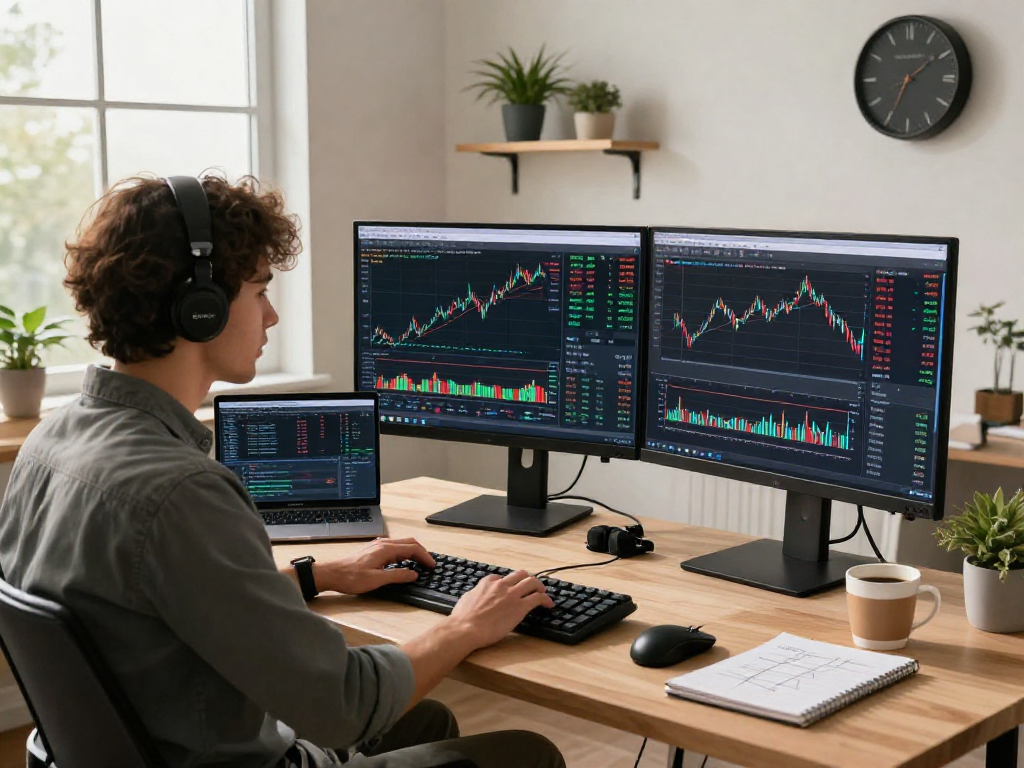
Understanding the Farm Product Backtesting API
In the ever-evolving landscape of Forex trading, the need for precision and real-time analytics has never been more critical. With the growing complexity of trading strategies, developers, trading platforms, and research institutions are increasingly seeking advanced tools to enhance their decision-making processes. A farm product backtesting API stands at the forefront of this need, enabling users to evaluate their trading strategies using historical data and real-time insights.
What is a Farm Product Backtesting API?
A farm product backtesting API is a specialized application that allows traders and developers to test their trading strategies against historical data. This API enables users to simulate their trading plans in various market conditions, providing insights into their potential performance. Through the analysis of price movements and historical trends, users can identify which strategies are likely to yield the best results.
Key Features of an Effective Backtesting API
- Access to Historical Data: An effective backtesting API must provide robust historical data, including price movements, volume, and other relevant market indicators. This data is essential to accurately simulate past trading conditions.
- Technical Indicators: The ability to incorporate various technical indicators is crucial for strategy evaluation. Users should be able to apply indicators such as moving averages, RSI, and Bollinger Bands to assess the effectiveness of their strategies.
- Real-Time Analytics: High-quality APIs offer real-time data, allowing users to make informed decisions based on the latest market conditions. This is particularly useful for strategies that depend on rapid price movements.
- Customizable Parameters: The best APIs allow users to customize their backtesting parameters, enabling them to tailor their strategies to specific market conditions or personal trading styles.
- Performance Metrics: Comprehensive performance metrics, such as Sharpe ratio, maximum drawdown, and win/loss ratios, are critical for evaluating the effectiveness of a trading strategy.
Importance of Real-Time Data in Backtesting
Real-time data plays a vital role in the backtesting process, as it allows traders to understand how their strategies would perform under current market conditions. While historical data provides a baseline for analysis, real-time insights ensure that traders can adapt to changing market dynamics. By integrating real-time data with backtesting simulations, traders can refine their strategies, enhance accuracy, and ultimately improve their trading outcomes.
Benefits of Using Farm Product Backtesting API
Enhanced Trading Strategies through Historical Data
The primary benefit of utilizing a farm product backtesting API is the ability to leverage historical data to enhance trading strategies. By analyzing how strategies would have performed in the past, traders can fine-tune their approaches and increase their chances of success in real-time trading. This analytical capability empowers traders to make data-driven decisions rather than relying on instinct or speculation.
Real-Time Insights and Decision Making
In addition to historical analysis, backtesting APIs with real-time capabilities provide traders with timely insights that enhance decision-making. With features that allow for web socket push notifications, users can receive alerts about critical market changes, helping them to react swiftly to market opportunities or threats.
Improving Risk Management with Backtesting
Effective risk management is a cornerstone of successful trading. By using a backtesting API, traders can evaluate the potential risks associated with their strategies. With access to various performance metrics and risk assessments, traders can refine their approaches to minimize potential losses and protect their capital.
Common Challenges in Implementing a Backtesting API
Data Integrity and Accuracy Issues
One of the most significant challenges faced when implementing a backtesting API is ensuring the integrity and accuracy of the data used. Historical price data must be accurate and comprehensive to provide valid testing results. Inaccurate data can lead to misleading conclusions, which can have dire consequences on trading performance.
Integration with Existing Trading Platforms
Integrating a backtesting API with existing trading platforms can be a complex process. Compatibility issues may arise, and developers need to ensure that the API can seamlessly connect with other tools and applications used by traders. This requires a robust understanding of both the API and the trading platform's architecture.
Understanding API Limitations and Constraints
Every API comes with its limitations and constraints. Traders must be aware of these to set realistic expectations for their backtesting results. For instance, some APIs may only provide data for specific currency pairs or timeframes, limiting the versatility of backtesting strategies.
Best Practices for Utilizing Farm Product Backtesting API
Conducting Comprehensive Historical Analysis
To maximize the effectiveness of a backtesting API, traders should conduct thorough historical analyses. This includes testing different strategies across various timeframes and market conditions to understand potential pitfalls and strengths. The more comprehensive the historical analysis, the better equipped the trader will be to refine their strategies.
Incorporating Technical Indicators Effectively
The integration of technical indicators is essential for effective backtesting. Traders should experiment with different combinations of indicators to determine which provide the most reliable signals for their specific strategies. Understanding the characteristics of each indicator helps in making informed decisions.
Iterative Testing and Strategy Refinement
Backtesting is not a one-time process; it should be iterative. Traders should continuously refine their strategies based on backtesting results, ensuring that they adapt to shifting market trends. Regularly updating and testing strategies will help traders stay ahead of the competition and improve their overall performance.
Future Trends in Farm Product Backtesting APIs
Emerging Technologies in Forex Trading
The future of Forex trading will likely see the integration of emerging technologies within backtesting APIs. Innovations such as blockchain technology may enhance data security and integrity, while cloud computing can offer scalability and accessibility to traders.
AI and Machine Learning Applications for Backtesting
Artificial intelligence and machine learning are poised to revolutionize backtesting methodologies. These technologies can analyze vast amounts of data much faster than traditional methods, enabling traders to identify patterns and market signals with greater accuracy. The potential for automated strategy generation and optimization could further enhance trading outcomes.
Predictions for 2026 and Beyond in API Development
As we look toward 2026 and beyond, the development of backtesting APIs is expected to become more sophisticated. Features such as enhanced user interfaces, improved data analytics capabilities, and deeper integration with trading platforms will likely emerge, making it easier for traders to leverage advanced technology to maximize their performance in the Forex market.
What is a farm product backtesting API?
A farm product backtesting API enables traders to assess their strategies against historical market data, providing valuable insights into potential performance.
How can I integrate it into my trading platform?
Integration typically involves connecting the API to your platform’s architecture through provided documentation, ensuring compatibility and functionality.
What are the limitations of backtesting APIs?
Limitations can include data coverage, compatibility with other tools, and potential inaccuracies in historical data.
How does real-time data enhance backtesting accuracy?
Real-time data allows traders to simulate current market conditions, improving the relevance and accuracy of backtesting results compared to historical-only approaches.
What trends should I watch for in backtesting APIs?
Trends include the rise of AI-driven analytics, enhanced data security protocols, and greater integrations with other market analysis tools.