Understanding Commercial Roofing Services
What Are Commercial Roofing Services?
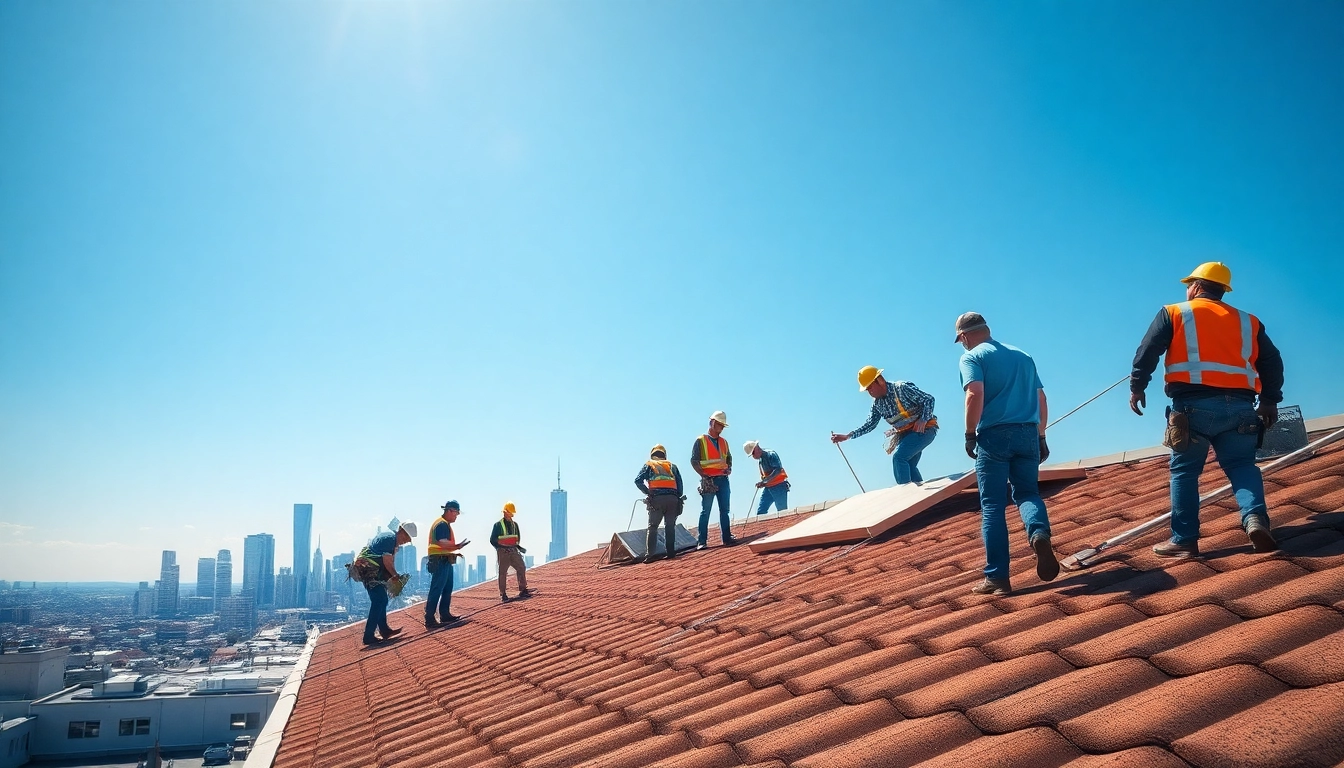
Commercial roofing services encompass various types of work done on roofs of commercial buildings, which include but are not limited to, offices, warehouses, factories, and retail establishments. These services are critical for maintaining the structural integrity and longevity of commercial properties. Fundamental aspects of commercial roofing services include roof installation, repair, maintenance, and replacement.
These services differ significantly from residential roofing due to the unique challenges posed by large-scale commercial structures. Such challenges often include greater roof surface areas, a wider variety of materials used, and a need for compliance with more stringent local and federal building codes. Adopting the right approaches to commercial roofing services can ensure that property owners protect their investments over time.
Types of Commercial Roofing Materials Available
When selecting a commercial roofing solution, it’s important to understand the types of materials available, as they significantly influence the roof’s performance, durability, and lifecycle costs. Common roofing materials include:
- EPDM (Ethylene Propylene Diene Monomer): A popular choice for flat roofs, EPDM is a synthetic rubber membrane known for its excellent durability and weather resistance.
- TPO (Thermoplastic Olefin): This single-ply roofing membrane is lauded for its energy efficiency and ability to reflect sunlight, making it ideal for reducing utility costs.
- Metal Roofing: Available in various profiles like standing seam, corrugated metal, and more, metal roofing is known for its longevity and durability, often lasting over 50 years.
- SBS and APP Modified Bitumen: These asphalt-based materials provide excellent waterproofing and are suitable for low-slope roofs, known for their ease of installation and resistance to UV rays.
- Built-Up Roofing (BUR): Consisting of multiple layers of roofing material, BUR is one of the oldest roofing systems, offering robustness and reliability.
Why Professional Services Matter
The importance of hiring professional roofing services cannot be overstated. Professionals bring the technical skills, experience, and tools required for high-quality installations and repairs. Attempts to self-manage commercial roofing projects can lead to several challenges, including safety risks and costly errors.
Moreover, professionals can provide warranties and guarantees for their work. This assurance offers peace of mind, knowing that in the event of any faults or issues arising post-installation, necessary fixes or maintenance will be undertaken without additional costs. Professional services also ensure compliance with local codes and regulations, safeguarding business owners from potential legal repercussions.
Benefits of Choosing the Right Commercial Roofing Services
Enhancing the Durability of Your Roof
A well-built commercial roof can withstand various environmental factors such as extreme weather conditions, UV radiation, and physical wear over time. Engaging the right commercial roofing services ensures that high-quality materials are applied, and skilled professionals execute the installation process. This quality construction leads to a longer-lasting roof that requires fewer repairs and less maintenance.
Cost Savings on Repairs and Maintenance
Investing in quality roofing services may appear as a larger upfront cost; however, the long-term savings on repairs and maintenance significantly offset initial expenses. A durable roof requires infrequent repairs and reduces overall maintenance costs over its lifespan. Additionally, a well-maintained roof can contribute to lower energy bills by enhancing insulation and energy efficiency.
Improving Your Business’s Energy Efficiency
Energy efficiency is a significant concern for businesses today, especially with continuously rising energy costs. Many commercial roofing materials available today offer superior energy efficiency features. For example, TPO roofs are designed to reflect sunlight, thus keeping buildings cooler and reducing air conditioning needs in warmer months. An energy-efficient roof contributes to a reduced carbon footprint, aligning businesses with modern sustainability efforts.
Key Considerations When Selecting Commercial Roofing Services
Evaluating Contractor Expertise and Experience
Choosing the right contractor for commercial roofing services involves thorough vetting of their expertise and experience. Prospective clients should consider the contractor’s portfolio, checking past projects that are similar in scope and complexity to their needs. Testimonials and reviews from previous clients can provide additional insights into the quality of service provided.
Moreover, confirm that the contractors have the necessary licenses, certifications, and insurance coverage. Proper insurance protects both the contractor and the business owner in case of accidents during the roofing project.
Understanding Warranty and Support Options
Another essential consideration is the warranty provided for both materials and labor. Warranties can vary significantly by brands and contractors, impacting the long-term costs of repairs and maintenance. Look for warranties that cover the roof for an extended period and ensure that you fully understand the terms of coverage.
Assessing Material Options for Your Business Needs
Different business needs may dictate different roofing materials. For instance, a restaurant may require a roofing system that can withstand high heat and grease exposure, while a retail store may prioritize aesthetics and energy efficiency. Assessing how your specific industry influences material choice can guide your decision, ensuring the selection aligns with practical, operational, and aesthetic requirements.
Common Challenges with Commercial Roofing Services
Dealing with Leaks and Moisture Damage
Leaks are a primary concern for commercial roofing systems. They can lead to moisture damage, which in turn causes structural degradation, mold growth, and interior damage. Regular inspections can help identify weak spots in the roofing system, providing opportunities for preventive maintenance before leaks develop into costly repairs.
Managing Weather-Related Risks
Weather-related challenges pose substantial risks to commercial roofing. Severe storms, hail, heavy snow, and high winds can impact the roof's integrity. Contractors should account for local weather patterns when developing roofing strategies and select materials designed to endure the specific risks prevalent in the area.
Addressing Compliance and Regulatory Issues
Complying with local building regulations and safety standards is crucial for commercial roofing projects. Different regions may impose unique requirements for roofing installations, including specific materials, environmental measures, and maintenance practices. Partnering with contractors familiar with local codes ensures compliance, mitigates risks, and avoids potential fines.
Ensuring Long-Term Success with Commercial Roofing Services
Regular Maintenance and Inspections
Implementing a regular maintenance schedule is essential for the longevity of a commercial roof. Routine inspections can identify potential problems before they escalate into significant issues. Based on the type of roof and local conditions, inspections should be conducted at least twice a year, focusing on vulnerable areas prone to wear.
Staying Current with Roofing Technologies
The roofing industry continually evolves with new materials and technologies emerging over time. Keeping abreast of advancements such as energy-efficient materials and improved waterproofing techniques can enhance the roof’s overall performance and longevity. Engaging contractors who are knowledgeable about the latest technologies ensures that roofing systems remain competitive and efficient.
Setting Up a Roofing Budget
Establishing a budget for roof procurement, installation, and maintenance is vital for effective fiscal management. Include costs for immediate repairs, emergency funds for unexpected issues, and long-term maintenance expectations. Setting a budget doesn't pigeonhole your options but ensures you operate within your financial limits while addressing your roofing needs appropriately.