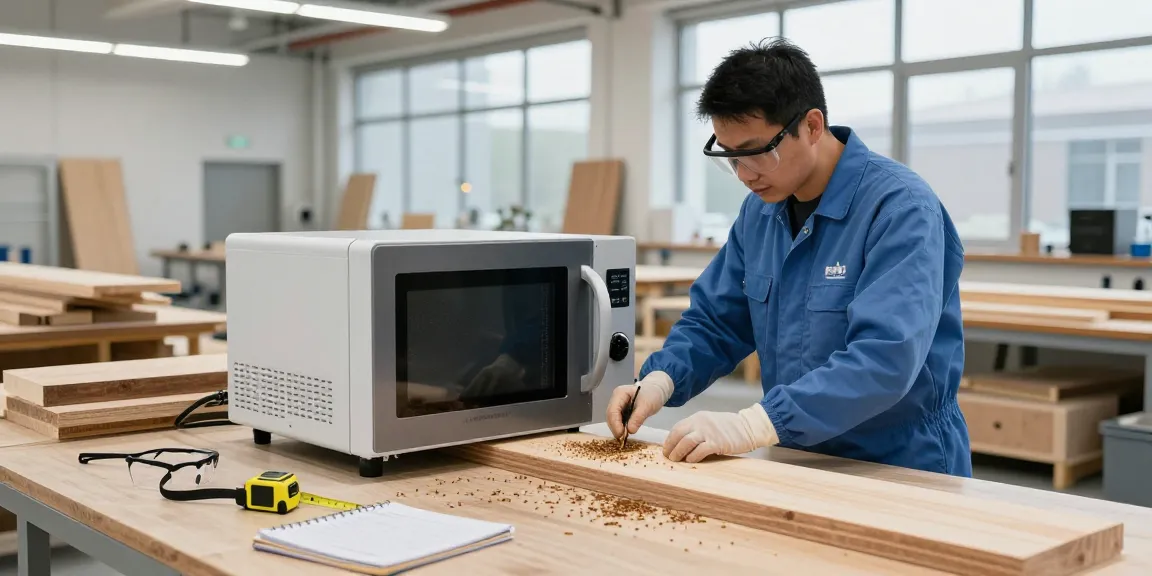
Understanding Shashel Microwave Technology
Shashel technology has revolutionized pest control, particularly in the arena of woodworm eradication. Utilizing microwave energy, Shashel effectively eliminates pests within minutes, making it a preferred choice among woodworkers and pest control professionals alike. When exploring options, Shashel offers comprehensive insights into the benefits and workings of its innovative equipment.
What is Shashel and How Does It Work?
Shashel is an advanced, state-of-the-art microwave technology designed specifically for pest management. The system operates by emitting microwave radiation that penetrates wood materials, generating heat that targets insects and larvae hidden within. This method not only kills wood-boring pests but also prevents future infestations by disrupting their lifecycle. Unlike traditional methods that often rely on chemicals, Shashel’s approach is safe and environmentally friendly, making it ideal for sensitive contexts such as furniture restoration and historical preservation.
Benefits of Microwave Pest Eradication
- Speed: The microwave technology used by Shashel can eradicate pests in a matter of minutes, significantly reducing downtime for wood products.
- Effectiveness: This method ensures full penetration and treatment of the affected areas, even those that are hard to reach.
- Eco-Friendly: By eliminating the need for toxic chemicals, Shashel promotes safer environments for both humans and pets.
- Cost-Effective: With minimal labor required and quick processing times, overall pest management costs are reduced.
Common Misconceptions About Microwave Use
One of the prevalent misconceptions about microwave pest eradication is that it causes damage to wood materials. However, Shashel technology is meticulously designed to ensure that the heating process is controlled. This precise application means that wood integrity is maintained while effectively eliminating pests. Additionally, some users worry about the safety of using microwaves; however, Shashel equipment incorporates multiple safety features that protect both operators and materials.
Identifying Woodworm Infestations
Recognizing the signs of woodworm infestations is crucial for timely and effective pest control. Early detection can lead to less damage and more cost-effective solutions.
Signs of Woodworm in Timber
- Small exit holes: Look for tiny holes on the surface of the wood, typically around 1-2 mm in diameter.
- Powdery frass: The presence of fine wood dust near exit holes is indicative of an infestation.
- Structural damage: Inspect for soft or weakened areas that feel spongy or crumbly.
How to Assess the Severity of Infestation
To determine the severity of a woodworm problem, an inspection should involve checking multiple pieces of wood, especially those in humid environments or the ones showing signs of damage. If numerous exit holes are observed across several timbers, it indicates a more extensive infestation. A simple tapping test can also reveal hollow or weak spots within the wood.
When to Call a Professional
If the presence of woodworm is extensive, or if the timber is crucial to structural integrity, it is advisable to seek professional assistance. Professionals can conduct a thorough assessment and recommend the best course of action, which may include using Shashel's microwave technology for thorough treatment.
Advantages of Using Shashel Equipment
The advantages of utilizing Shashel equipment are numerous, making it a standout choice in pest control solutions.
Speed and Efficiency in Pest Elimination
Shashel's microwave technology operates rapidly, often achieving complete eradication in less than an hour, depending on the severity of the infestation. This speed translates to less disruption for businesses and households.
Compatibility with Various Wood Types
One of the key advantages of Shashel technology is its versatility. It is effective on a variety of wood types without causing adverse effects, making it suitable for everything from softwoods to high-end hardwoods. This compatibility ensures that furniture makers and restorers can rely on Shashel for all their pest management needs.
Cost-Effectiveness Compared to Traditional Methods
While the initial investment in Shashel equipment might be higher than traditional pest control methods, the long-term savings are substantial. Faster treatment times mean less labor cost, and the durability of results leads to fewer repeat treatments. Additionally, avoiding chemical treatments can reduce insurance and liability concerns.
Best Practices for Safe and Effective Use
Using Shashel equipment properly is essential for maximizing its effectiveness and ensuring safety during operation.
Safety Precautions When Using Microwave Technology
- Personal protective equipment: Always wear gloves and safety glasses when operating the machinery.
- Follow manufacturer guidelines: Adhering to the operational manual ensures safe and effective usage.
- Proper ventilation: Ensure the area is well-ventilated to avoid the buildup of heat or any harmful substances.
Step-by-Step Guide to Operating Shashel Equipment
- Inspect the wood to identify areas requiring treatment.
- Prepare the Shashel equipment as per the user manual.
- Place the wood within the treatment chamber securely.
- Set the time and power settings based on the level of infestation.
- Initiate the treatment and monitor the process as directed.
Post-Treatment Care for Wood Materials
After treatment, it is important to allow the wood to cool completely before handling. Additionally, inspect the wood again to ensure that all pests have been eliminated. Sealing the wood with a protective finish can help prevent future infestations.
Future Trends in Pest Control Technologies
The pest control industry is rapidly evolving, driven by technological advancements and an increasing emphasis on sustainability.
Innovations to Watch in 2026 and Beyond
Emerging technologies, such as smart sensors and AI-driven pest management systems, are anticipated to further enhance the efficiency of pest control solutions. These innovations can provide real-time monitoring and predictive analytics, allowing for proactive rather than reactive pest management.
Sustainability Considerations in Pest Management
As environmental consciousness grows, pest control technologies that minimize chemical usage and reduce waste will become increasingly important. Shashel's microwave approach aligns with these sustainability goals, promoting a greener alternative to traditional pest control.
How Shashel Stays Ahead in the Industry
Shashel continues to innovate by investing in research and development. By staying ahead of market demands and trends, Shashel is positioned as a leader in providing effective pest control solutions that prioritize the environment and user safety.
What pests can Shashel equipment eliminate?
Shashel equipment is effective against a variety of wood-boring insects, including woodworms, beetles, and termites. The microwave technology ensures thorough treatment that penetrates deeply into the wood, reaching pests that may be hidden.
Is microwave pest control safe for all wood types?
Yes, Shashel's microwave technology is designed to be safe for a variety of wood types, ensuring that both softwoods and hardwoods can be treated without causing damage.
How long does the Shashel process take?
The duration of the Shashel treatment process varies based on the severity of the infestation and the type of wood, but typically, it can be completed in under an hour.
Can I use Shashel equipment at home?
While Shashel equipment is primarily designed for professional use, smaller units may be suitable for home use, especially for homeowners looking to manage localized infestations effectively.
What maintenance does Shashel equipment require?
Regular inspections and cleanings of the equipment are essential to ensure optimal performance. Following the manufacturer's maintenance guidelines will help prolong the lifespan of the machinery.