
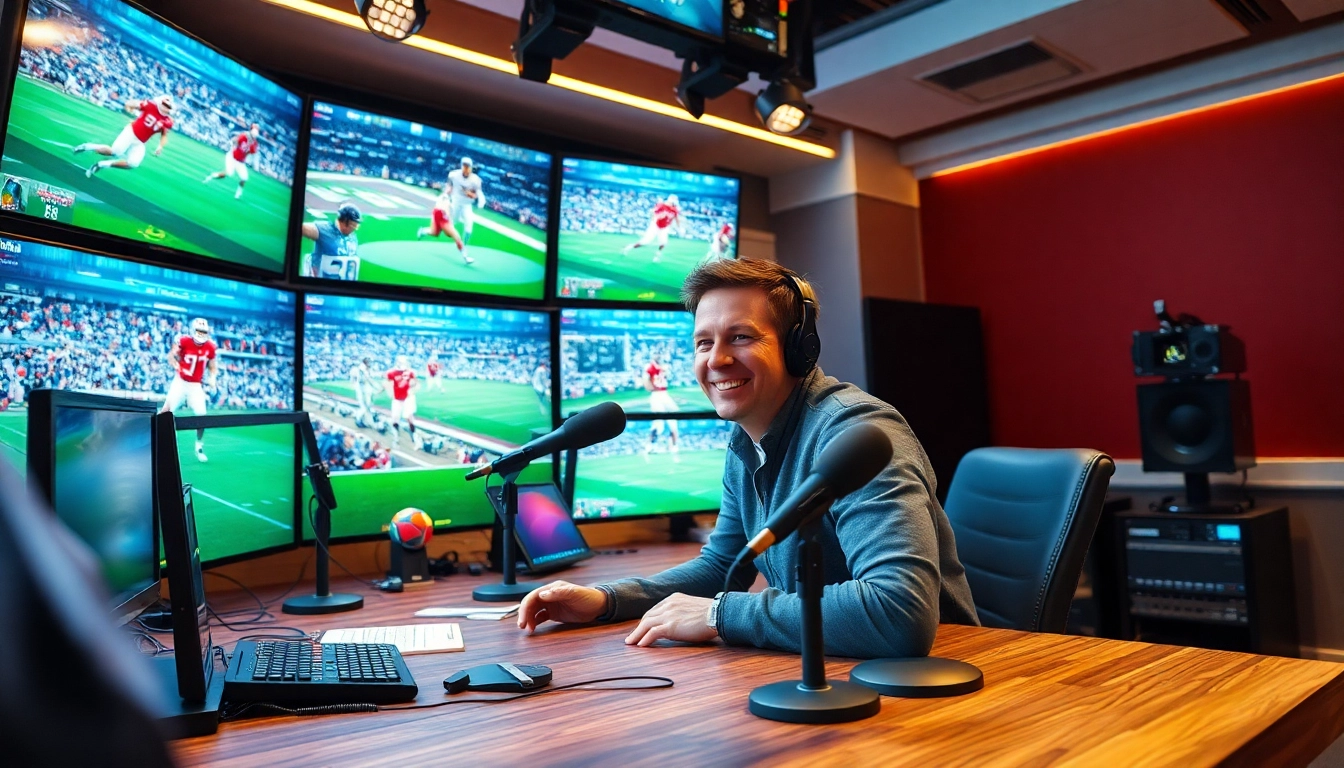
Introduction to Sports Broadcasting
Understanding Sports Broadcasting
Sports Broadcasting is a comprehensive field that encompasses the production, presentation, and distribution of sports-related content across various media platforms. From live games to post-match analysis, the goal is to engage audiences and enhance their viewing experience. A solid foundation in both the technical and creative aspects is essential for anyone looking to excel in this industry. Understanding how to capture and present sports events effectively is critical, and it requires a blend of storytelling, technical skills, and a keen understanding of your audience's preferences. If you're interested in delving deeper into this fascinating realm, Sports Broadcasting offers a wealth of resources to get you started.
The Evolution of Sports Broadcasting
The journey of sports broadcasting has transformed dramatically over the years. It began with radio broadcasts that allowed fans to follow their favorite teams from afar, gradually evolving into television broadcasts that brought the action directly into homes. As technology advanced, cable television offered specialized sports networks, and the emergence of the internet paved the way for live streaming and on-demand sports content. Today, platforms such as social media and mobile applications deliver sports coverage in real-time, directly to mobile devices, allowing fans to engage with their favorite sports anytime and anywhere.
The Importance of Sports Broadcasting
Sports broadcasting plays a vital role in the relationship between fans and sports. It not only serves to entertain but also informs and educates audiences about various aspects of sports. Broadcasters help build a community of fans who connect over their shared interest in sports, elevating the experience of fandom. Moreover, sports broadcasting significantly impacts the economy, creating jobs and generating revenue through advertising, sponsorships, and merchandise sales.
Essential Tools for Sports Broadcasting
Key Equipment for Sports Broadcasting
To deliver high-quality sports content, broadcasters rely on a variety of essential tools and equipment. The backbone of any broadcast lies in audio and visual technology. Cameras are crucial for capturing live events, with options ranging from handheld devices to high-definition, multi-camera setups for a more immersive experience. Additionally, microphones play a significant role in ensuring clear commentary and ambient sounds. For a more professional setup, integrated broadcasting systems help streamline the workflow from capture to transmission.
Software Solutions for Broadcasting
Alongside hardware, robust software solutions aid in both live broadcasting and post-production editing. Programs for video editing, graphics integration, and live-streaming platforms are essential for creating engaging sports content. Utilizing software that allows for real-time replays, graphics overlays, and live statistics enhance the viewer's experience, making broadcasts more interactive and informative.
Best Practices for Equipment Setup
To maximize the effectiveness of sports broadcasting equipment, proper setup and configuration are paramount. Conducting thorough rehearsals before live events ensures that audio and visual equipment function correctly. Always test the equipment in the environment in which it will be used to account for any environmental challenges, such as lighting conditions or acoustic effects. Additionally, having backup systems in place can save broadcasts from technical difficulties that can arise unexpectedly.
Creating Engaging Sports Content
Storytelling Techniques in Sports Broadcasting
Effective storytelling is at the heart of captivating sports broadcasts. Narratives around teams, player backgrounds, and key moments during games create a deeper emotional connection for viewers. Utilizing techniques like foreshadowing, character development, and thematic recurring motifs can enrich the story being told. Engaging commentary and impactful visuals play a significant role in bringing these stories to life, making the broadcast not just a series of events but an experience.
Utilizing Social Media for Engagement
Integrating social media into sports broadcasting is another essential tactic for increasing viewer engagement. Platforms like Twitter, Instagram, and Facebook allow broadcasters to interact with fans in real time, share highlights, and generate engaging content that goes beyond traditional broadcasting. Utilizing hashtags and live-tweeting during events can also enhance fan interaction, fostering a sense of community among viewers.
Interactive Content in Sports Broadcasting
Emerging technology enables broadcasters to create interactive content that enhances viewer involvement. Augmented reality graphics, real-time polls, and interactive apps empower fans to engage with broadcasts actively, contributing their insights as events unfold. This two-way communication brings a fresh dynamic to sports broadcasting, transforming passive viewing into an active experience.
Legal and Ethical Considerations in Sports Broadcasting
Copyright Issues in Sports Broadcasting
Legal considerations are crucial in sports broadcasting, particularly regarding copyright and intellectual property. Ensuring that content is either licensed or created in compliance with copyright laws is vital to avoid potential legal issues. Understanding which materials can be used in broadcasts, from logos to archived footage, is essential for content creators.
Fair Play and Ethics in Commentary
Ethical considerations extend beyond legal compliance into the realm of commentary. Commentators have a responsibility to provide fair and balanced coverage of all teams and athletes, avoiding bias that could skew audience perceptions. Maintaining professionalism, especially during contentious situations or heated rivalries, strengthens the integrity of the broadcast and respects the players and fans alike.
Understanding Broadcasting Rights
Broadcasting rights determine how and when content can be shared, making it crucial for broadcasters to understand the agreements that govern their operations. This includes knowledge of local and international broadcasting regulations and restrictions, ensuring that content is shared in compliance with established protocols. Awareness of these rights impacts how broadcasters negotiate deals and plan their coverage approaches.
Measuring Success in Sports Broadcasting
Key Performance Indicators for Sports Broadcasting
Defining success in sports broadcasting involves tracking Key Performance Indicators (KPIs). Metrics such as viewership numbers, audience engagement rates, and demographic information help assess the effectiveness of broadcasts. KPIs can inform network programming and advertising decisions, directly influencing marketing strategies and resource allocation.
Gathering Audience Feedback
Obtaining audience feedback is a valuable step in improving sports broadcasting. Engaging with viewers through surveys, social media interactions, and live polls fosters a better understanding of audience preferences. This feedback not only helps enhance future broadcasts but also creates a sense of community and strengthens the relationship between broadcasters and their viewers.
Adapting Your Strategy Based on Analytics
Analytics play a crucial role in shaping future broadcasting strategies. By analyzing viewer trends and behaviors, broadcasters can tailor their content to meet audience expectations. This proactive approach allows broadcasters to enhance viewer loyalty and increase audience reach, which is fundamental to sustaining success in the highly competitive world of sports broadcasting.
Frequently Asked Questions
What is Sports Broadcasting?
Sports Broadcasting involves the live or recorded transmission of sports events and related commentary through media channels like television, radio, and the internet.
How has technology impacted Sports Broadcasting?
Technology has revolutionized Sports Broadcasting by introducing high-definition video, real-time analytics, and social media interaction, enriching the viewer experience significantly.
Why is audience engagement important in Sports Broadcasting?
Audience engagement deepens the connection between fans and sports, leading to greater viewership, loyalty, and monetary support through sponsorship and merchandise.
What are some common legal issues in Sports Broadcasting?
Common legal issues include copyright infringement, unauthorized use of logo or footage, and broadcasting rights violations that can lead to lawsuits.
How can I measure success in Sports Broadcasting?
Success can be measured through metrics like viewer ratings, audience engagement, sponsorship revenue, and feedback gathered from the audience to inform future strategies.