Understanding the Basics of Chef’s Knives
What is a Chef’s Knife?
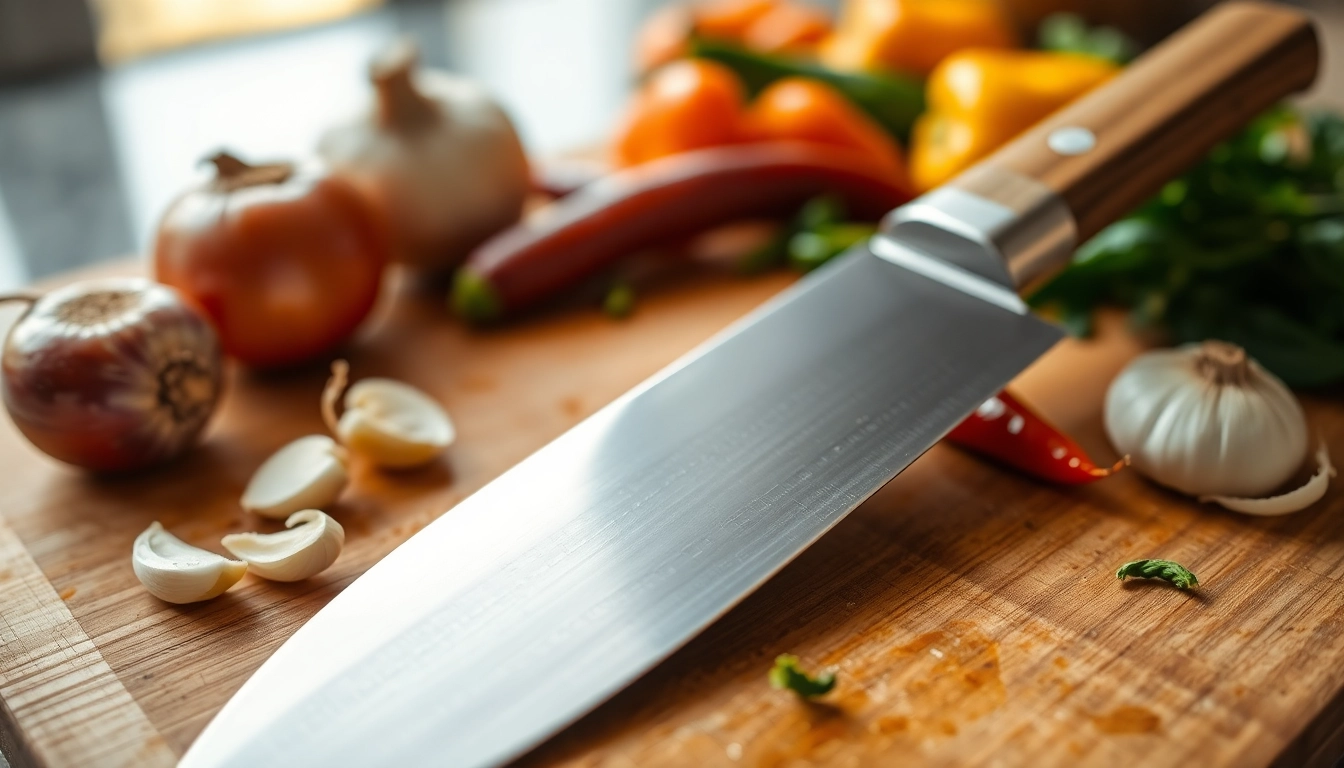
A chef’s knife is an essential tool in any kitchen, renowned for its versatility and functionality. Typically ranging from 6 to 12 inches in length, these knives are characterized by their broad blade, which tapers to a point. This design allows for a variety of cutting tasks, such as chopping, slicing, and dicing. The chef’s knife is aptly named for its suitability in professional and home kitchens alike, making it an indispensable utensil for any cooking enthusiast.
Different Types of Chef’s Knives
While the classic chef's knife is the most recognized, several variations cater to specific culinary needs:
- French Chef's Knife: Known for its curved blade, allowing for a rocking motion while cutting.
- German Chef's Knife: Typically heavier and wider, providing better leverage for tough ingredients.
- Japanese Gyuto: Famed for its sharpness and precision, this knife excels in detailed cutting tasks.
- Santoku: A Japanese counterpart with a flatter blade, suited for slicing and dicing.
Key Features to Consider
When selecting a chef's knife, several key features play a crucial role in functionality and comfort:
- Blade Length: Depending on your cooking style, shorter blades offer control, while longer blades provide versatility.
- Blade Material: Knife blades are typically made from stainless steel, carbon steel, or ceramic, each offering unique benefits.
- Handle Design: A comfortable and ergonomically designed handle is vital for prolonged use without strain.
How to Choose a Chef’s Knife
Blade Material and Construction
The material and construction of the knife blade significantly impact its performance. Stainless steel, for example, is resistant to rust and corrosion, making it a popular choice for home chefs. Carbon steel blades, while sharper and easier to sharpen, require diligent maintenance to prevent staining and rust. Consider a how to choose a chef’s knife based on your cooking frequency and type of cuisine you often prepare.
Knife Balance and Weight
The balance of a chef’s knife refers to the weight distribution between the blade and the handle. A well-balanced knife feels natural in hand and allows for more accurate cuts. Heavier knives may be suitable for cutting through tougher ingredients, while lighter variants provide better maneuverability. It's crucial to hold the knife to determine the balance that feels comfortable for you.
Handle Comfort and Ergonomics
A knife handle should feel like an extension of your hand. Comfort and grip are subjective factors but greatly affect your cutting performance. Look for handles made from materials like hardwood, plastic, or rubber that provide a good grip. Pay attention to the shape and size of the handle; it should fit your hand comfortably and allow for extended periods of usage without causing fatigue.
Testing Your Chef’s Knife
Real-world Kitchen Testing
Before finalizing your purchase, testing the knife in a real-world scenario can provide invaluable insights. Perform simple tasks such as chopping vegetables, dicing onions, or slicing a chicken breast. This practical approach reveals the knife's efficiency and comfort level. If you cannot test the knife in-store, seek out reviews or detailed user-feedback for additional assurance.
Visual Inspection Before Purchase
A thorough visual inspection can expose critical information about the knife’s construction. Examine the bolster, which is the section between the blade and handle, for sturdiness. Check for workmanship by looking at the blade edge—there should be no nicks or imperfections. The handle should fit securely to the blade without gaps. Quality craftsmanship often indicates longevity.
Return Policies and Warranty
Understand the retailer’s return policy as it gives you flexibility and confidence in your purchase. A reasonable return policy allows you to try the knife at home and return it if it does not meet your expectations. Additionally, a warranty can indicate the manufacturer’s faith in their product's durability and resilience.
Caring for Your Chef’s Knife
Proper Cleaning Techniques
To prolong the life of your chef's knife, proper cleaning is essential. Always hand wash your knife with mild soapy water and dry it immediately. Avoid placing it in the dishwasher, as high temperatures and harsh detergents can damage the blade and handle. For stubborn food residues, gently scrub with a non-abrasive sponge.
Sharpening Your Knife
Regular sharpening is necessary to maintain your knife’s performance. Learn to use a whetstone or honing rod correctly, as this can create a sharp edge that enhances cutting efficiency. For those uncomfortable with manual sharpening, consider professional sharpening services or investing in electric sharpeners that simplify the process.
Storage Solutions
Storing your knife properly is vital to prevent damage. Consider various solutions such as magnetic strips, knife blocks, or sheaths. Each option has its benefits: magnetic strips save counter space, blocks avoid blade contact, and sheaths protect edges while allowing for easy access. Always store knives out of reach of children to ensure safety.
Common Mistakes to Avoid
Choosing Based on Price Alone
While budget is significant, optimal performance often comes from investing in quality rather than merely selecting the cheapest option. A knife that seems overpriced may offer superior materials and craftsmanship that ultimately save you money over time through durability. Focus on value rather than cost.
Overlooking Comfort and Fit
A knife that does not fit comfortably in your hand can lead to poor technique and decreased performance. Always prioritize comfort and test the knife for fit before purchase. This enhances your cutting efficiency and reduces fatigue during prolonged use, which is crucial for both seasoned chefs and home cooks.
Ignoring Maintenance Needs
Failing to recognize the maintenance requirements of your knife can lead to diminished performance over time. Ensure you understand the appropriate care, cleaning, and sharpening methods for your specific blade material. Knowledgeable maintenance not only preserves the knife's cutting ability but also extends its lifespan.
FAQs
1. What is the ideal size for a chef's knife?
The ideal size typically ranges from 8 to 10 inches. This length offers a good balance of control and cutting versatility for most home chefs.
2. How often should I sharpen my chef's knife?
Sharpen your knife every 3-6 months depending on use. Regular honing after each use can help maintain a sharp edge.
3. Can I use a chef's knife for all kitchen tasks?
Yes, a chef's knife is versatile enough for slicing, dicing, and chopping various food items from vegetables to meats.
4. Is a heavier knife better for cutting?
A heavier knife provides more momentum, making cutting easier for tougher ingredients, while lighter knives offer better control for delicate tasks.
5. What should I do if my knife becomes dull?
If dull, sharpen it using a whetstone or a professional service. Regular honing after use can prevent dullness and improve efficiency.