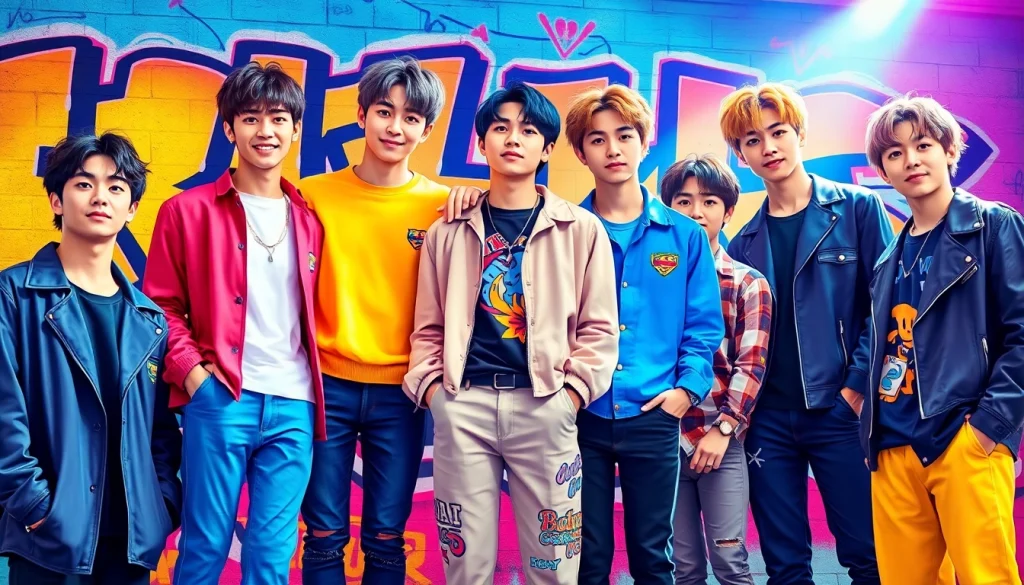
Introduction to bts Members
Since their formation in 2010, bts members have taken the world by storm, revolutionizing the music industry with their unique sound and engaging performances. Initially starting as a hip-hop group, BTS has grown into a global sensation known for their heartfelt lyrics and strong messages. This article delves into the individual members of BTS, their contributions to the group, their influence on culture, and what the future holds for them.
Overview of the Group and Its Formation
BTS, also known as the Bangtan Boys, is a seven-member South Korean boy band formed by Big Hit Entertainment in 2010. The group officially debuted in 2013 and consists of RM, Jin, Suga, J-Hope, Jimin, V, and Jung Kook. Each member brings unique talents and creativity to the table, contributing to BTS’s distinct musical style that blends various genres, including pop, hip-hop, R&B, and electronic music.
The formation of BTS stemmed from the vision of producing authentic music that resonates with the youth. Their name, “Bangtan Sonyeondan,” translates to “Bulletproof Boy Scouts,” symbolizing their aim to protect the values and dreams of the younger generation from societal pressures and judgments. As a result, BTS’s music often deals with themes of self-love, mental health, and social issues.
Key Milestones in Their Career
Since their debut, BTS has achieved remarkable milestones, both locally and internationally. Their first album, “2 Cool 4 Skool,” marked the beginning of their journey, but it was their subsequent hits, such as “Dark & Wild” and “Wings,” that solidified their place in the K-pop industry. BTS’s 2016 album “Wings” made history by becoming the first K-pop album to be certified gold by the Recording Industry Association of America (RIAA).
In 2017, BTS’s “Love Yourself: Her” album debuted at No. 7 on the Billboard 200 chart, making them the first Korean act to reach the top 10 of the chart. They continued their success with “Love Yourself: Tear,” which became the first K-pop album to reach No. 1 on the Billboard 200. BTS has since received numerous prestigious awards, including the American Music Award for Artist of the Year and multiple Billboard Music Awards.
Cultural Impact and Global Influence
BTS’s impact extends far beyond the music charts. They have broken cultural barriers and challenged stereotypes, paving the way for other K-pop artists on the global stage. One significant aspect of their influence is the “BTS Effect,” which has led to increased interest in Korean culture and language worldwide. Their fandom, known as ARMY, is a significant force in promoting their music and messages, helping to build a robust community that transcends geographical boundaries.
BTS members have actively engaged in philanthropy, launching campaigns that advocate for mental health awareness, anti-violence, and social justice. Their collaboration with UNICEF for the “Love Myself” campaign demonstrates their commitment to making a difference in the lives of young people, resonating deeply with their audience.
Profiles of Each bts Member
RM: The Leader and Lyricist
Kim Namjoon, known as RM (formerly Rap Monster), is the leader of BTS. Renowned for his exceptional songwriting and rap skills, RM has played a pivotal role in shaping BTS’s music and identity. With a keen intellect and a passion for artistic expression, RM often writes lyrics that depict personal experiences and societal issues. His ability to lead the group while contributing creatively has earned him immense respect both within and outside the K-pop industry.
Jin: The Charismatic Vocalist
Kim Seokjin, popularly known as Jin, is the eldest member of BTS and is celebrated for his stunning vocals and charisma on stage. His wide vocal range allows him to perform various genres, from ballads to upbeat tracks. Jin’s personality shines through during performances, often charming fans with his visuals and humor. Furthermore, he has actively participated in writing some of BTS’s songs, showcasing his versatility as an artist.
Suga: The Dedicated Producer
Min Yoongi, known as Suga, is not just a rapper but also an accomplished producer and songwriter. Under the pseudonym Agust D, Suga showcases his raw, personal storytelling through his music. He has been instrumental in producing many of BTS’s tracks, ensuring their sound remains fresh and authentic. Suga’s dedication to his craft is evident in his approach to songwriting, where he often addresses mental health struggles and personal battles, resonating with many of their fans.
J-Hope: The Energetic Dancer
Jung Ho-seok, known as J-Hope, is the main dancer of BTS and is recognized for his infectious energy and positive spirit. J-Hope’s dance skills complement the group’s choreography, and his ability to convey emotion through dance adds depth to their performances. As a rapper, he delivers dynamic verses that showcase his versatility. J-Hope’s solo work, including his mixtape “Hope World,” has also received significant acclaim.
Jimin: The Emotional Performer
Park Jimin is celebrated not only for his captivating vocals but also for his expressive dance style. Known for his ability to evoke deep emotions through his performances, Jimin’s artistry shines brightly, making him a fan favorite. His dedication to honing his craft and connecting with audiences emotionally sets him apart as a performer. Jimin’s contributions extend beyond BTS as he sometimes engages in solo projects, showcasing his versatility as an artist.
V: The Unique Vocalist
Kim Taehyung, commonly known as V, possesses a baritone voice that sets him apart from others in the group. V’s unique vocal timbre enhances BTS’s sound, while his artistic flair extends to visual aesthetics, photography, and fashion. He co-writes and produces music, contributing to the group’s creative process. V’s charm and charisma have made him a beloved figure among fans.
Jung Kook: The Golden Maknae
Jeon Jung Kook, the youngest member, known as the “Golden Maknae,” is a powerhouse of talent. His skills encompass singing, dancing, and even video production. Jung Kook’s impressive vocal range and dance ability make him a standout performer. He has been involved in multiple aspects of BTS’s music production and often explores solo endeavors, such as his collaborations and personal projects that illustrate his growth as an artist.
Talents and Skills of bts Members
Musical Contributions and Songwriting
Each member of BTS contributes to the group’s music in unique ways. RM, Suga, and J-Hope are heavily involved in the songwriting process, crafting lyrics that resonate with fans around the world. Their ability to blend different genres and styles has helped BTS create a distinctive sound that transcends cultural boundaries. Collective writing sessions often lead to powerful tracks that embrace various themes, from self-reflection to societal critiques.
Dance and Performance Styles
The choreography of BTS is meticulously crafted, incorporating elements from hip-hop, modern dance, and traditional Korean styles. Each member has a specific dance style that complements their personality. J-Hope takes the spotlight with his upbeat energy; Jimin showcases fluidity and grace, while Jung Kook’s athleticism enhances dynamic performances. The group’s synchronized moves are a testament to their hard work and dedication.
Individual Projects and Collaborations
Besides group activities, many bts members embark on solo projects. RM’s introspective lyrics often focus on personal growth, while Jin explores his vocal capabilities through his solo tracks. Suga’s mixtapes reveal his raw storytelling ability, and J-Hope’s “Hope World” highlights his vibrant personality. Jimin and V’s individual efforts illustrate their artistic versatility, whereas Jung Kook’s collaborations with other artists manifest his desire to experiment and grow musically.
Community and Fan Interaction
Building the ARMY: Fan Engagement Strategies
BTS’s success is attributed to their close relationship with their fans, known as ARMY. The group actively engages through social media platforms, where they share behind-the-scenes content, personal stories, and interact with fans in real-time. Their transparency fosters a feeling of connectedness, allowing fans to be a part of their journey. Special events, like fan meetings and V Live broadcasts, strengthen their bond with ARMY.
Events and Social Media Presence
BTS excels in utilizing social media to broaden their reach and maintain engagement. Platforms like Twitter, Instagram, and Weverse allow real-time interaction with fans, fostering a sense of belonging. BTS frequently trends on social media when announcing new releases, showcasing their influence. Additionally, their annual concerts and participation in music festivals draw fans from across the globe, reinforcing their status as icons in the music industry.
Impact on Global Pop Culture
BTS’s influence goes beyond music; they have become cultural ambassadors for South Korea, impacting fashion, art, and social movements. Their success has sparked discussions about representation and diversity in the entertainment industry, inspiring countless artists and fans alike. The group’s commitment to self-love, mental health advocacy, and social causes resonates with a global audience and empowers young people to be their authentic selves.
Future of bts Members
Upcoming Projects and Releases
The future of BTS holds immense potential, with all members reuniting after fulfilling their military service. Fans eagerly await new music, collaborations, and potential tours that could reflect their personal growth and musical evolution. As the group explores individual and collective projects, there is an ongoing anticipation of how their distinct sounds will merge into future BTS releases.
Prospects of Individual Careers
While focusing on BTS, many members may pursue solo careers, allowing them to express their artistic visions. RM may continue to explore meaningful storytelling through music, while Jin could further develop his skills as a vocalist. Suga will likely produce more solo work that resonates with his experiences, and J-Hope might expand his dance endeavors. Jimin, V, and Jung Kook’s prospects also appear bright as they push artistic boundaries.
Unity and Future Group Activities
The camaraderie among bts members is evident in their work, reflecting a strong bond that enhances their artistry. Moving forward, it is expected that BTS will continue to focus on exploring diverse musical themes while ensuring their unity remains intact. The combination of personal narratives and collective experiences is likely to shape their music, connecting with fans in authentic manners.
FAQs
How many bts members are there?
There are seven members in bts: RM, Jin, Suga, J-Hope, Jimin, V, and Jung Kook.
What roles do the bts members play in the group?
Each member has specific roles: RM is the leader and rapper, Jin is the vocalist, Suga is a producer, J-Hope is a dancer, Jimin is a vocalist, V is a vocalist, and Jung Kook is the main vocalist and dancer.
What is the significance of bts fans?
The fans, known as ARMY, are crucial to BTS’s success by supporting their music, attending events, and engaging on social media, creating a strong community.
Are the bts members involved in solo projects?
Yes, many bts members pursue solo projects alongside their work as a group, exploring various genres and collaborations with other artists.
How does bts contribute to social issues?
bts actively promotes messages of self-love, mental health awareness, and youth empowerment through their music and public appearances.