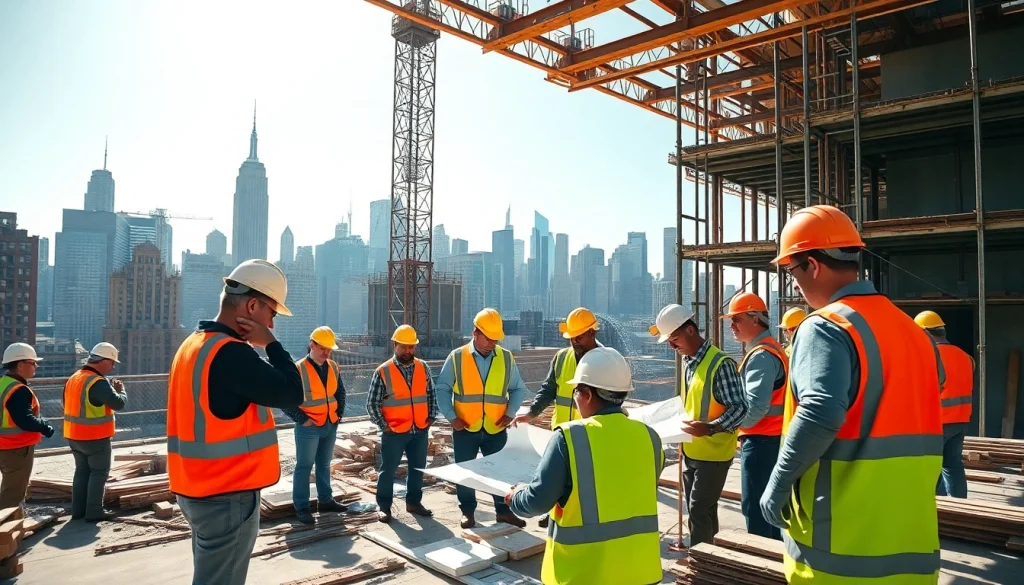
Understanding the Role of a New York Commercial General Contractor
What Makes a General Contractor Essential?
A New York Commercial General Contractor plays a pivotal role in the construction landscape, acting as the lynchpin between various stakeholders involved in a project. Whether it’s a new building, a renovation, or a multifaceted remodel, the general contractor helps streamline processes, ensuring that every aspect from design to execution runs smoothly. By managing schedules, supplier relationships, and compliance with safety standards, general contractors not only add value to projects but also mitigate risks associated with construction.
The importance of a well-organized general contractor cannot be overstated; they are responsible for coordinating the work of subcontractors, which can include craftsmen, electricians, and plumbing specialists. Their oversight and expertise are essential in adhering to timelines and budgets. Additionally, they facilitate communication between clients, architects, and suppliers, ensuring that everyone involved is on the same page. As a result, businesses are increasingly relying on experienced New York Commercial General Contractors to navigate the complexities of construction projects.
Key Responsibilities of a New York Commercial General Contractor
The responsibilities of a commercial general contractor extend beyond mere project management. They include:
- Project Planning: Developing comprehensive plans that outline project scope, costs, and timelines, ensuring all facets are realistically interlinked.
- Resource Management: Securing and managing both human resources and materials, thereby ensuring projects stay on track and within budget.
- Quality Control: Establishing and maintaining quality standards throughout the construction process, ensuring that work meets established specifications and codes.
- Regulatory Compliance: Navigating the complex legal landscape of construction, which includes obtaining necessary permits, adhering to local building regulations, and ensuring worker safety.
- Financial Oversight: Managing budgets effectively, including preparing estimates, tracking costs, and overseeing payments to subcontractors and suppliers.
Essential Qualities of a New York Commercial General Contractor
Experience and Reputation in New York Market
In the bustling construction industry of New York, experience and reputation are paramount. A contractor with a track record of successful projects and satisfied clients can often command trust and respect in the field. Clients are more likely to prefer contractors who have a solid portfolio backed by testimonials and case studies. Understanding local regulations and building codes is also essential, as it ensures that the contractor can navigate any potential legal complexities that arise during a project.
Communication Skills and Client Relations
Effective communication is another essential quality of a successful commercial general contractor. They must be able to articulate complex concepts in understandable terms for all stakeholders involved, from clients to subcontractors. Developing strong client relations through transparency and frequent updates fosters trust, which is crucial for the longevity of any contractor-client partnership. Regular meetings to discuss project progress, challenges, and milestones keep everyone involved informed and engaged.
Financial Acumen in Project Management
In a city where economic conditions can vary significantly, having strong financial management skills is vital for any general contractor. They must be adept at creating detailed cost estimates, managing budgets, and implementing financial controls to avoid overruns. This financial acumen ensures that projects are not only completed on time but also remain economically viable for all parties involved.
Common Challenges Faced by New York Commercial General Contractors
Adapting to Changing Regulations and Codes
The New York construction landscape is constantly evolving, with regular updates to building codes and regulations. This can present challenges for contractors who must stay abreast of such changes. Staying informed through professional networks, ongoing education, and industry publications is necessary to adapt swiftly and effectively to these shifting standards.
Managing Urban Space Constraints and Logistics
The logistics of constructing in an urban environment can be daunting. Space constraints, zoning laws, and densely populated areas require creative problem-solving and meticulous planning. General contractors must be adept at devising strategies that maximize limited space, often employing advanced planning tools and technologies to coordinate activities efficiently.
Navigating Client Expectations and Budget Restrictions
Balancing client expectations with budget limitations is a common challenge for commercial general contractors. Clear communication at the onset of a project about potential constraints and maintaining this dialogue throughout the project’s lifecycle can help manage expectations effectively. This proactive approach involves providing realistic assessments of what can be achieved within budget and addressing potential changes before they escalate into larger issues.
Best Practices for Project Success
Utilizing Technology in Construction Management
Leveraging technology can significantly enhance the efficiency of construction projects. Many general contractors now use project management software to track timelines, coordinate teams, and manage budgets. Advancements in Building Information Modeling (BIM) also allow contractors to visualize projects in 3D before any physical work begins, helping to identify potential issues early on.
Effective Risk Management Strategies
A smart contractor will implement risk management strategies proactively. Identifying potential risks at the outset of a project and developing contingency plans can mitigate unforeseen complications. Maintaining open lines of communication with all parties involved also fosters a collaborative atmosphere, conducive to quick resolution if issues arise.
Building Strong Relationships with Subcontractors and Suppliers
Strong relationships with both subcontractors and suppliers can have a profound impact on project success. Trust and reliability can be built through timely payments, clear communication, and respect for their expertise. Establishing long-term relationships leads to better collaboration, which can yield fresher ideas and solutions to project challenges.
Evaluating Performance Metrics for New York Commercial General Contractors
Determining Project Timeliness and Budget Compliance
To assess the performance of a commercial general contractor, monitoring project timelines and budget compliance is essential. Metrics such as adherence to schedule and cost variances can provide valuable insights into a contractor’s efficiency and effectiveness. Regular evaluations throughout the project lifecycle help identify trends and enable corrective measures promptly.
Assessing Quality of Work and Client Satisfaction
Quality of work is paramount in construction. Contractors should implement quality assurance procedures at various project stages. Surveys or feedback from clients upon project completion can also serve to assess satisfaction levels, revealing areas for improvement or highlighting strong points that can be leveraged in future endeavors.
Leveraging Feedback for Continuous Improvement
Constructive feedback is invaluable for any construction company. Adopting a culture of continuous improvement allows contractors to refine their processes and enhance service offerings. Periodic reviews of project outcomes against established goals enables learning from past projects, integrating lessons learned into future practices for better results.