
Why Rainpoint Irrigation Controllers Are Rising in Popularity in 2026
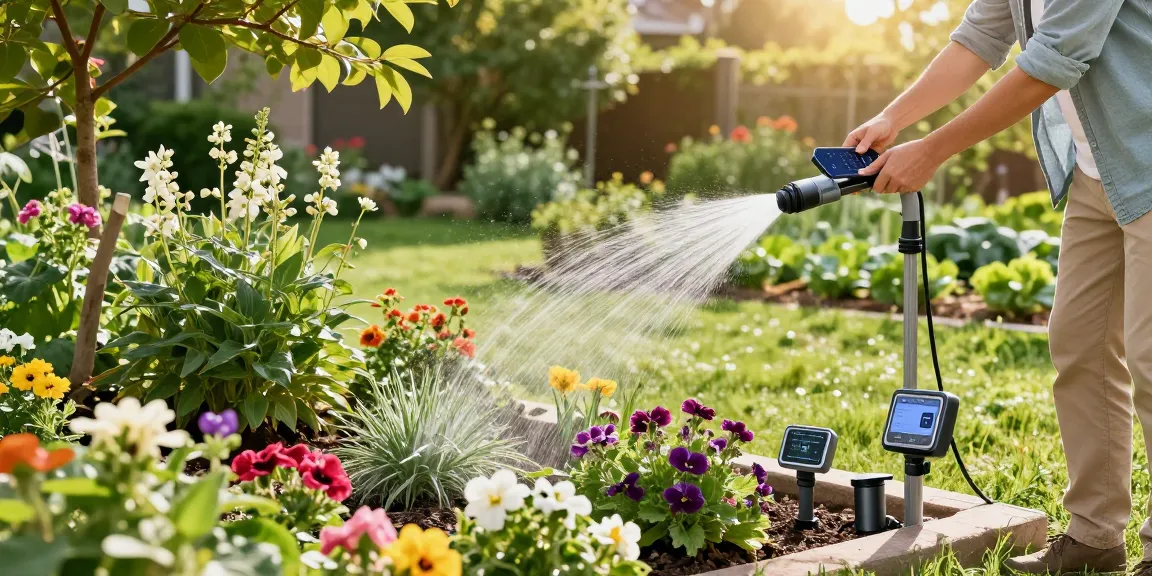
The Evolution of Irrigation Technology
As the world progresses into an era where water conservation is paramount, irrigation technology has undergone remarkable advancements. Gardeners and homeowners are now presented with innovative solutions that not only simplify the watering process but also contribute significantly to water conservation. One such evolution is seen in the emergence of smart irrigation controllers, like rainpoint Irrigation Controllers, which blend technology with gardening to provide efficient and sustainable water use.
What Are Rainpoint Irrigation Controllers?
Rainpoint Irrigation Controllers are cutting-edge devices designed to automate garden watering systems. These controllers allow users to set specific watering schedules and integrate with home Wi-Fi networks for remote management via mobile applications. Whether it’s for a small garden or a sprawling landscape, Rainpoint controllers offer tailored solutions that meet various watering demands.
Key Features of Modern Controllers
- Wi-Fi Connectivity: Allows remote access and control through a smartphone app.
- Soil Moisture Sensors: These sensors provide real-time data on soil moisture levels, enabling precise watering.
- Customizable Schedules: Users can create tailored watering schedules to fit the specific requirements of their plants.
- Data Tracking: Advanced models offer insights into water usage and plant health, helping users make informed decisions.
Benefits of Smart Irrigation Solutions
Smart irrigation solutions present numerous benefits, including:
- Water Conservation: Efficient watering schedules reduce water waste, making them environmentally friendly.
- Time Savings: Automation means less time spent managing irrigation systems and more time enjoying a flourishing garden.
- Healthier Plants: Precise watering enhances plant growth and health, leading to a more vibrant garden.
- Cost Reduction: Over time, users can save on water bills and reduce costs associated with maintaining overwatered plants.
How Rainpoint Irrigation Controllers Save Water
Water conservation is an essential consideration for every gardener. Rainpoint Irrigation Controllers incorporate smart technology to minimize water usage while maximizing plant health. This combination of efficiency and effectiveness is beneficial for both the environment and the home gardener.
Understanding Water Conservation in Gardening
Gardening practices that incorporate water-saving technologies can significantly alleviate the pressure on local water resources. By understanding the needs of plants and applying water only when necessary, gardeners can maintain their gardens sustainably. The use of sophisticated controllers allows for just that, creating a balance between nurturing plants and conserving water.
Advanced Soil Moisture Sensors
The heart of efficient watering lies within the sensors that measure soil moisture levels. Advanced soil moisture sensors provided by Rainpoint help determine when to water and when to hold off. This not only ensures that plants receive adequate moisture but also prevents overwatering, which can lead to root rot and other moisture-related issues.
Data-Driven Strategies for Efficient Water Use
Data-driven strategies empower gardeners to make informed decisions about irrigation. By analyzing historical data on water usage alongside current moisture levels, users can optimize their watering schedules, ensuring their plants receive exactly what they need without excess waste.
Setting Up Rainpoint Irrigation Controllers
Setting up a Rainpoint Irrigation Controller is a straightforward process that opens the door to smarter gardening. With an easy-to-follow installation guide, users can install their systems with minimal hassle, setting the stage for a well-watered, healthy garden.
Step-by-Step Installation Guide
To set up a Rainpoint controller, follow these steps:
- Unpack the controller and ensure all components are present.
- Connect the controller to your existing irrigation system.
- Install soil moisture sensors in various areas of your garden.
- Download the associated mobile app and connect to your Wi-Fi.
- Configure your watering schedule through the app.
Integrating with Smart Home Systems
Rainpoint controllers are designed to easily integrate with existing smart home systems, allowing users to manage their garden irrigation alongside other home automation tasks. Integration enhances user experience and provides a unified approach to home management.
Common Setup Challenges and Solutions
Some common challenges during setup may include Wi-Fi connectivity issues or difficulties with sensor placements. To troubleshoot:
- Ensure your Wi-Fi network is strong and stable in the area where the controller will be installed.
- For soil sensors, avoid placing them too close to trees or large plants which may absorb more moisture than desired.
- Refer to the user manual for detailed instructions and diagrams.
Real-World Applications: Success Stories
The effectiveness of Rainpoint Irrigation Controllers shines through in countless real-life applications. Homeowners across diverse climates have experienced remarkable changes in their gardening practices and plant health.
Homeowners’ Experiences with Rainpoint Products
User testimonials reveal that the Rainpoint system has transformed the way many manage their gardens. With automated schedules and precise watering, customers report thriving plants and decreased maintenance time.
Impact on Plant Growth and Garden Sustainability
Many users have noted that their gardens not only flourish but also require less water than before. The smart irrigation systems have led to healthier plants that are more resilient to drought conditions, proving their practicality in various environments.
Case Study: A Family’s Journey to Efficient Gardening
Consider a family’s experience with Rainpoint controllers over the past year. After installing the system to manage their extensive backyard garden, they recorded a 30% reduction in water usage while achieving better overall plant growth. Their success showcases how effective technology can be in sustainable gardening.
Future Trends in Irrigation Technology
The future of irrigation technology looks promising, with innovations aimed at enhancing user experience and operational efficiency. As climate concerns increase, these developments will be crucial for sustainable gardening practices.
Innovations on the Horizon for 2026
Predicted innovations include enhanced AI algorithms that learn from users’ watering patterns, improved sensor accuracy, and even better integration with solar energy systems, allowing for a more eco-friendly approach to irrigation.
The Role of IoT in Gardening
The Internet of Things (IoT) will play a significant role in the future of gardening irrigation. As devices become increasingly interconnected, users will enjoy even greater control and insights concerning their plants’ needs, resulting in more efficient garden management.
Preparing for Climate Change: Adaptive Strategies
With climate change presenting new challenges for gardeners, adaptive strategies that embrace technology will become essential. Smart irrigation solutions will help homeowners respond proactively, adjusting watering schedules as weather patterns shift.
What are the advantages of using smart irrigation systems?
Smart irrigation systems offer several advantages, including increased efficiency, reduced water waste, and the ability to tailor watering schedules based on real-time data. Users enjoy healthier gardens and lower utility bills as a result.
How do Rainpoint controllers compare to traditional timers?
Unlike traditional timers that operate on a fixed schedule regardless of conditions, Rainpoint controllers adjust watering based on sensor data and user preferences, ensuring that plants receive water only when necessary.
Can I use Rainpoint products with existing irrigation systems?
Yes, Rainpoint controllers are designed to integrate seamlessly with most existing irrigation systems, making them a versatile addition to your gardening toolkit.
What features should I look for in an irrigation controller?
When choosing an irrigation controller, look for features such as Wi-Fi connectivity, soil moisture sensors, customizable schedules, and data tracking capabilities to enhance your watering efficiency.
How often should I water my garden with smart controllers?
The frequency of watering can vary greatly based on plant types, soil conditions, and weather factors. Smart controllers will help automate and optimize this process, taking the guesswork out of watering.