
A No-Nonsense Guide to Automotive Electrical Connector Manufacturers That Actually Helps You Choose the Right Solutions in 2026
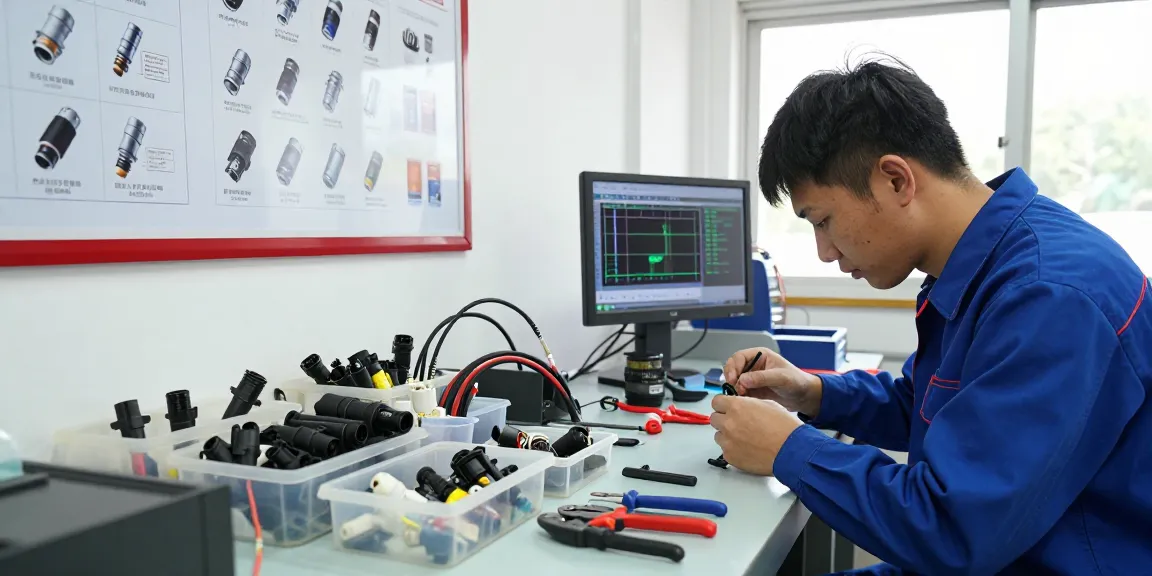
Understanding Automotive Electrical Connectors
In the automotive industry, reliable electrical connections are paramount. Automotive electrical connectors are essential components that facilitate the transfer of power and signals throughout a vehicle. With the growing complexities of modern automobiles, understanding the various types of connectors and their importance has never been more crucial. As vehicles become more sophisticated, the demand for high-quality connectors from automotive electrical connector manufacturers has surged, driving innovation in materials, designs, and technologies.
What Are Automotive Electrical Connectors?
Automotive electrical connectors serve as junctions in an electrical circuit, joining various components and ensuring a stable and efficient flow of electricity. These connectors can vary significantly in terms of design, size, and material, catering to different automotive applications. Common features include terminals, housings, and seals, which work together to protect connections from environmental factors like moisture and dust.
Types of Automotive Connectors Used Today
There is a diverse range of automotive connectors available on the market today. Some notable types include:
- Sealed Connectors: Offer protection against water and dust, making them ideal for harsh environments.
- Weather-Pack Connectors: Designed for outdoor use, they are reliable in adverse weather conditions.
- Deutsch Connectors: Known for their durability and high-performance capabilities in various automotive settings.
- Micro Connectors: Compact and lightweight, these are commonly used in electronic controls.
- High-Voltage Connectors: Essential for hybrid and electric vehicles, allowing safe connections for high-voltage systems.
Importance of Quality in Electrical Connections
The quality of automotive electrical connectors is vital to the overall performance and safety of a vehicle. Poor-quality connectors can lead to electrical failures, increased resistance, and eventually, failures in critical systems, which may compromise vehicle safety. Therefore, sourcing connectors from reputable manufacturers ensures adherence to rigorous quality standards and enhances the longevity and reliability of vehicle electrical systems.
Leading Automotive Electrical Connector Manufacturers
As the automotive market expands, the competition among automotive electrical connector manufacturers intensifies. Key players are constantly innovating to meet the evolving demands of the industry. Understanding which manufacturers lead the industry helps businesses make informed decisions regarding their supply chain.
Top Features to Look for in Manufacturers
When evaluating automotive electrical connector manufacturers, consider these crucial features:
- Certification and Compliance: Look for ISO, CE, and RoHS certifications to ensure the products meet international quality and safety standards.
- Innovative Technology: Manufacturers using advanced technologies like machine vision automation often produce more precise and reliable connectors.
- Customer Support: Strong technical support and customer service can greatly enhance the partnership between manufacturers and clients.
- Diverse Product Range: A broad selection of products enables manufacturers to meet various application needs and foster one-stop shopping opportunities.
- Sustainable Practices: Companies committed to environmental sustainability often gain a competitive edge in today’s eco-conscious market.
Comparative Analysis of Major Brands
Several brands are recognized for their excellence in manufacturing automotive connectors:
- TE Connectivity: A giant in the industry, known for its high-performance connectors suitable for a range of automotive applications.
- Amphenol: Offers a variety of connectors, including ultra-rugged designs for demanding automotive environments.
- Mouser Electronics: Provides a vast inventory of connectors, making it a go-to source for automotive components.
- Connector Experts: Specializes in automotive connectors and repair materials, emphasizing quick shipping and customer satisfaction.
Emerging Players in the 2026 Market
As the automotive market evolves, so does the list of players influencing it. Companies focusing on emerging technologies, such as electric and autonomous vehicles, are likely to gain prominence. New entrants into the market are adopting innovative approaches, utilizing advanced materials, and emphasizing sustainability to capture the attention of consumers and manufacturers alike.
Challenges and Solutions in Automotive Connectors
The automotive connector industry faces various challenges ranging from technological advancements to environmental concerns. Successfully navigating these issues requires innovative solutions and proactive strategies.
Common Issues Faced by Manufacturers
Manufacturers often face challenges such as:
- Material Limitations: Finding materials that offer both performance and durability can be difficult, particularly for connectors exposed to harsh conditions.
- Cost Pressures: The need to balance quality with cost is a constant challenge in manufacturing without sacrificing performance.
- Regulatory Compliance: Keeping up with changing regulations and standards can hinder timely product development and market entry.
Innovative Approaches to Overcoming Challenges
To address these challenges, manufacturers are exploring innovative solutions, including:
- Advanced Materials: Developing new polymers and alloys that enhance the durability and reliability of connectors.
- Automation: Implementing automated processes to improve efficiency and reduce costs while maintaining quality.
- Research and Development: Investing in R&D to innovate and meet future demands while ensuring compliance with emerging regulations.
Real-World Examples of Problem-Solving
Leading manufacturers have successfully navigated challenges by implementing strategic initiatives:
- TE Connectivity: They have developed a line of waterproof connectors designed to withstand extreme environmental conditions, addressing the needs of electric vehicles.
- Amphenol: Introduced new connector designs that minimized size while maximizing performance, significantly benefiting compact vehicle models.
Best Practices for Selecting Electrical Connectors
Choosing the right electrical connectors is imperative for ensuring optimal performance in automotive applications. The selection process should consider various factors to ensure the best fit.
Criteria for Choosing Quality Connectors
When selecting electrical connectors, keep the following criteria in mind:
- Compatibility: Ensure the connector is compatible with the specific application and vehicle model.
- Durability: Look for connectors designed for longevity and resilience under different environmental conditions.
- Ease of Installation: Consider connectors that come with user-friendly features to facilitate quick and hassle-free installation.
- Performance Ratings: Check the electrical current and voltage ratings to ensure they align with your requirements.
Installation Tips for Optimal Performance
Proper installation is key to achieving optimal performance from automotive connectors. Here are some tips:
- Clean Connections: Always ensure that connection points are clean and free from debris before installation.
- Follow Manufacturer Guidelines: Adhere to the manufacturer’s installation instructions to prevent damage.
- Test Connections: After installation, conduct a thorough test to ensure all connections are secure and functioning properly.
Maintaining Electrical Systems in Automotives
Regular maintenance of electrical systems is crucial for the longevity and efficiency of automotive connectors:
- Routine Inspections: Perform periodic checks to identify signs of wear or corrosion on connectors.
- Use Proper Tools: Employ the correct tools to ensure connections are made securely without damaging components.
- Document Changes: Keep records of any modifications made to the electrical system for easier troubleshooting in the future.
The Future of Automotive Electrical Connectors
The automotive connector market is poised for significant changes as technology advances and consumer expectations grow. Understanding emerging trends is essential for stakeholders looking to remain competitive.
Trends to Watch in 2026 and Beyond
Several trends are shaping the future of automotive connectors:
- Increased Connectivity: As vehicles become more interconnected, the demand for multi-functional connectors will rise.
- Focus on Sustainability: Manufacturers are increasingly prioritizing eco-friendly materials and processes in response to environmental concerns.
- Smart Connectors: The development of smart connectors equipped with integrated sensing technology will enable real-time monitoring of electrical systems.
Technological Advancements Shaping the Industry
Technological innovations are driving significant changes in connector design and functionality:
- 3D Printing: This technology allows for rapid prototyping of connector designs, enabling manufacturers to innovate quickly.
- Advanced Coatings: The use of advanced coatings can enhance the durability and performance of connectors, particularly in harsh environments.
Predictions for Market Growth and Consumer Needs
Market analysts predict robust growth for the automotive connector industry, driven by the rise of electric and hybrid vehicles and increasing automation within the automotive sector. As consumer needs evolve, manufacturers must remain adaptable, focusing on efficiency, reliability, and innovation to sustain competitive advantages in this dynamic market.
What are the most common types of automotive electrical connectors?
Common types include sealed connectors, weather-pack connectors, and Deutsch connectors, each designed for specific applications and environments.
How do automotive electrical connector manufacturers ensure quality?
Manufacturers ensure quality through rigorous testing, adherence to international standards like ISO and RoHS, and employing advanced manufacturing technologies.
What factors should I consider when choosing an automotive connector?
Consider compatibility, durability, ease of installation, and performance ratings to ensure you select the right connector for your application.
How are automotive connectors tested for durability?
Durability testing often involves exposure to extreme temperatures, moisture, and vibration to ensure connectors maintain performance in real-world conditions.
What innovations can we expect in automotive connectors by 2026?
Expect to see smart connectors with integrated sensing technology, advanced materials for better durability, and eco-friendly manufacturing practices shaping the market.. Additionally, heavy duty waterproof electrical connectors provides further details.